
Leapmotor TPMS Sensor Specs Explained: 433MHz, Battery Life, IP Rating and Protocol Compatibility
Quick AnswerLeapmotor vehicles sold in China and Europe run 433MHz TPMS, so a 315MHz sensor will never report no matter how well it threads into…
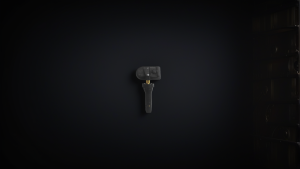
Quick AnswerLeapmotor vehicles sold in China and Europe run 433MHz TPMS, so a 315MHz sensor will never report no matter how well it threads into…
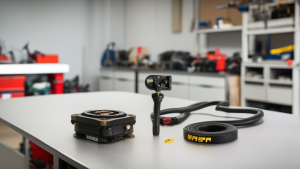
Quick AnswerThe Changan UNI-K runs a 433 MHz TPMS system, so it needs 433 MHz sensors — a 315 MHz sensor will not talk to…
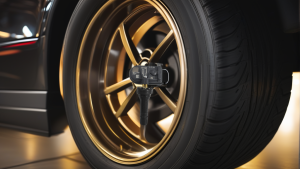
Quick AnswerZeekr TPMS sensors operate on 433MHz in most markets, so a 315MHz sensor won’t work. For replacement, choose a
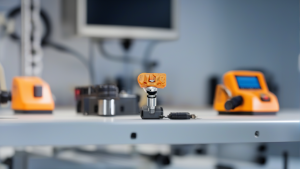
Quick AnswerMost modern E CLASS TPMS sensors broadcast at 433MHz, but the frequency alone doesn’t guarantee fitment — the sensor’s protocol must match the car’s…
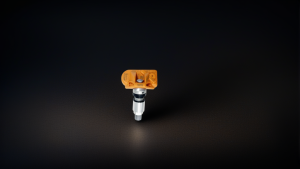
Quick AnswerThe BH-Sens RDE047V21 433MHz TPMS sensor is a direct replacement for many Jetta models that use the 433MHz frequency band. Most modern Jetta TPMS…
Quick AnswerThe RAETON CC uses 433MHz TPMS sensors (not 315MHz) with a typical battery life of 5–7 years, an IP rating of IPX7 or IP6K9K,…
Quick AnswerThe BH-Sens RDE022V21 is a 315MHz clamp-in TPMS sensor designed for MODEL S and other high-end European vehicles. It features a factory-sealed battery rated…
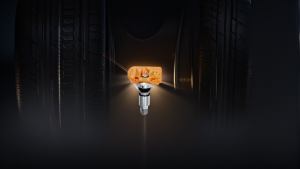
Quick AnswerThe MINI JCW CLUBMAN exclusively uses 433MHz TPMS sensors (not 315MHz), which is the standard for European BMW Group platforms. The BH-Sens RDE027V21 operates…
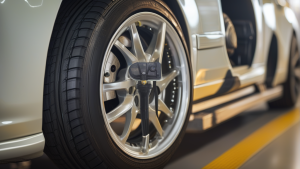
Quick AnswerThe UNI-Z UNI-Z uses a 433MHz TPMS sensor, not 315MHz. The compatible BH-Sens BL-ST-028 sensor (OE# 3601010CD01, 3601010DG01, 3601010MK02) delivers 5-7 years battery life,…
Quick AnswerMost FAW vehicles—including Bestune and Hongqi models—use 433MHz TPMS sensors, not 315MHz. The BH-Sens BL-ST-040 operates at 433MHz with a pre-programmed design that matches…