
Why Hummer TPMS Installations Need Extra Care
Hummer vehicles—especially the H2 and H3—use steel or aluminum wheels with deep drop-center profiles. The wheel pockets where TPMS sensors sit often accumulate rust, brake dust, or gravel. If you don’t clean that pocket before mounting, the sensor will sit cocked, giving a false reading or cracking the housing when torqued.
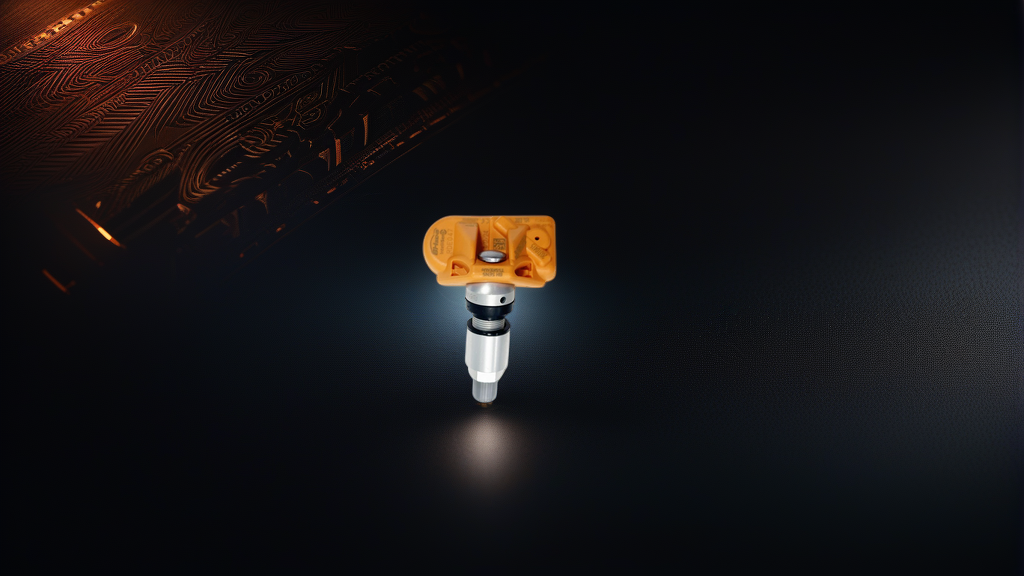
The BH-Sens sensors (like the RDE047V21 | BH-Sens 433MHz TPMS Tire Pressure Sensor | Fits Audi, BMW, Bentley, Ferrari, Lamborghini & 8 More | OE# 2N0907275A, 314818, 36106798872) are designed to fit a wide range of European and domestic vehicles, but the mounting hardware is universal: a metal valve stem, a nut, a seal, and a cap. The torque specs don’t change much between brands—the physics of a rubber seal against a metal wheel is the same—but Hummer wheels tend to require a bit more initial cleaning because of their off-road exposure.
Critical Torque Specs for Hummer TPMS Sensors
| Component | Torque Range | Tool | Common Mistake |
|---|---|---|---|
| Valve stem nut (sensor to wheel) | 31–40 Nm | Digital torque wrench or beam-type | Over-tightening to 50+ Nm strips threads or cracks sensor |
| Valve stem cap (metal or plastic) | 3.4–4.5 Nm | Hand-tight + 1/4 turn | Cranked too hard—deforms seal or breaks cap |
| Sensor retention screw (if present) | 1.5–2.0 Nm | Small torque screwdriver | Using impact driver—shatters sensor body |
Key note: Always tighten the valve stem nut to the lower end of the torque range if you’re mounting on an aluminum wheel. Aluminum expands more than steel, and a nut torqued to 40 Nm cold can exceed 55 Nm hot, crushing the seal.
Valve Stem Service: When to Replace vs. Reuse
Hummer wheels often run higher tire pressures (35–45 psi for H2/H3) compared to passenger cars. This puts more stress on the valve stem seal. Follow this checklist:
- Rubber valve stems: Replace every time the tire is dismounted. After 3–4 years, rubber hardens and micro-cracks form at the base. A new BH-Sens sensor deserves a new stem.
- Metal valve stems: Can be reused if the sealing surface is clean and the O-ring is intact. But if you see any pitting or corrosion, replace it. Metal stems on Hummer wheels are prone to galvanic corrosion if dissimilar metals (aluminum wheel, brass stem) contact without a dielectric grease barrier.
- Seal kit: Always replace the rubber grommet and the crush washer (if used) when installing a new sensor. The RDE047V21 | BH-Sens 433MHz TPMS Tire Pressure Sensor | Fits Audi, BMW, Bentley, Ferrari, Lamborghini & 8 More | OE# 2N0907275A, 314818, 36106798872 ships with a fresh seal kit—do not try to reuse the old one.
Common Installation Mistakes (and How to Avoid Them)
1. Over-Torquing the Valve Stem Nut
The most frequent error. A technician uses a 1/2-inch impact gun or a standard ratchet and “feels” it tight. On a Hummer wheel, that often means 60+ Nm. The result: the sensor housing cracks internally, the seal extrudes sideways, or the threads on the valve stem strip.
Fix: Use a torque wrench set to 35 Nm. If you don’t have one, tighten by hand until the nut is snug, then add only 1/8 turn.
2. Installing in a Dirty Wheel Pocket
Hummer wheels accumulate mud, sand, and corrosion in the TPMS recess. If you press the sensor into debris, the sensor sits at an angle. When you torque the nut, the sensor tilts further, bending the valve stem and breaking the seal.
Fix: Wire-brush the pocket, blow out any grit with compressed air, then apply a thin layer of rubber-safe grease to the sensor grommet.
3. Using Impact Tools on the Valve Stem Cap
I see this constantly: a tire shop worker zips the valve stem cap on with an air ratchet. The cap cracks, the O-ring inside the cap deforms, and the sensor leaks slowly over weeks.
Fix: Hand-tighten the cap until it stops, then give it a quarter turn with your fingers. No tools.
4. Ignoring the Sensor Orientation
Some BH-Sens sensors have an arrow or marking indicating the correct orientation relative to the wheel’s rotation. If you mount it upside down, the internal accelerometer may trigger false low-pressure warnings when the vehicle is parked on an incline.
Fix: Check the sensor body for a small arrow or dot; align it with the forward rotation of the wheel.
Recommended Part for Hummer TPMS Replacement
For Hummer H2, H3, or earlier GMT800-based models, the RDE047V21 | BH-Sens 433MHz TPMS Tire Pressure Sensor | Fits Audi, BMW, Bentley, Ferrari, Lamborghini & 8 More | OE# 2N0907275A, 314818, 36106798872 (BH-Sens 433MHz) is a direct fit. It replaces OE numbers 2N0907275A, 314818, and others listed above. It’s programmable to most TPMS tools (Autel, Bartec, Snap-on) and works with both 315MHz and 433MHz systems depending on the vehicle’s original frequency. Use a fresh seal kit and torque to spec—you’ll get reliable readings for 5–7 years.
FAQ
Can I install a BH-Sens TPMS sensor on a Hummer H1?
The H1 uses a 315MHz system in most years. The RDE047V21 is 433MHz, so it will not communicate with the H1’s receiver. Check your vehicle’s TPMS frequency before purchasing.
What happens if I over-torque the valve stem nut on my Hummer wheel?
Over-torquing (above 45 Nm) can crack the sensor housing, strip the valve stem threads, or damage the seal. This leads to a slow leak that may not appear until weeks later. Replace the sensor if any cracking is visible.
Do I need to remove the tire to replace a TPMS sensor on a Hummer?
Yes. The sensor is mounted inside the wheel, clamped to the valve stem hole. You must break the tire bead and dismount the tire sidewall to access the sensor. This is not a DIY job without a tire machine.
How often should I replace the valve stem seal on my Hummer TPMS?
Every time you replace the sensor or remount a tire. The rubber grommet hardens over time. A new seal costs a few dollars; a leak repair costs much more.