
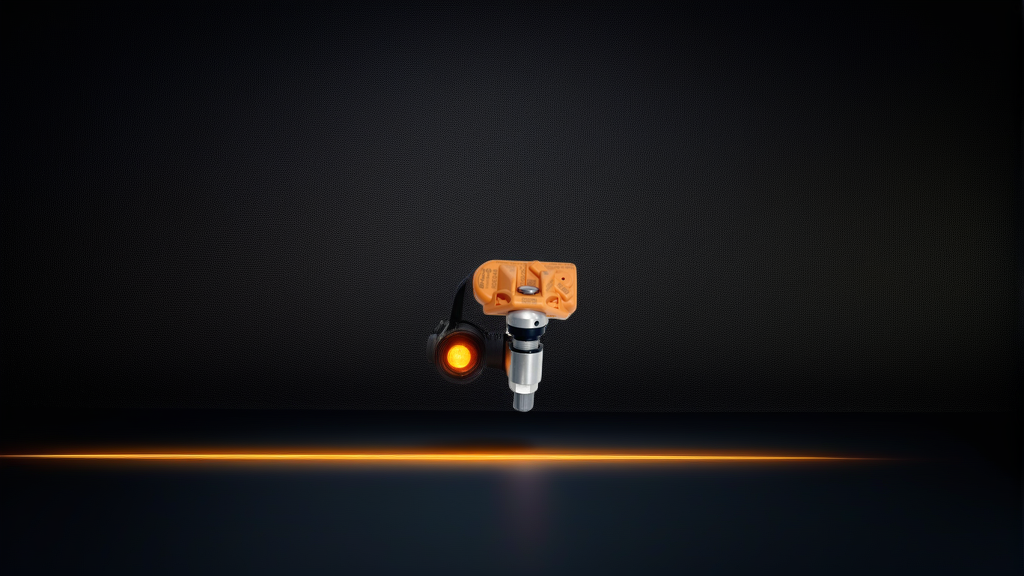
Let’s be blunt: replacing a TPMS sensor on a Mini isn’t hard, but it does punish sloppy work. The Mini lineup uses the same direct TPMS architecture as many BMW and Rolls-Royce models — 433MHz sensors, metal valve stems, and a control module that has to learn each wheel position. If you’re a shop tech or a DIY owner, this guide covers the installation details that separate a one-hour job from a comeback.
Why Mini TPMS Installation Is Different
Unlike older rubber-stem sensors that simply snap into the wheel, most Mini TPMS sensors use a clamp-in metal stem with a sensor body bolted to the inside of the wheel. That means the installation torque is not just about leaking — it’s about mechanical retention and consistent pressure readings. A sensor that’s under-torqued can rattle or shift the wheel balance. One that’s over-torqued can crack the sensor housing or distort the mounting bore.
Mini vehicles also require the sensor ID to be programmed into the TPMS module before the warning light resets. This usually involves a compatible tool or a special menu on the diagnostic scanner. If the sensor is not registered to the correct wheel position, you’ll still get a faulty pressure warning.
Installation Torque Specs
Sensor Retaining Nut
The torque spec for the metal valve stem retaining nut is determined by the wheel manufacturer and the sensor design. For most OE-style 433MHz sensors used on Mini/BMW wheels, the range is 4–7 Nm (35–62 in-lb). Some aftermarket wheels have a dedicated shoulder or spacer, so the spec can differ.
Do not guess from memory. Look for the torque value printed near the valve pocket on the wheel inside surface, or check your vehicle’s workshop manual. For the BH-Sens and other Baolong-family sensors, the stems are designed to be tightened with a thin-walled socket so you can reach the inner nut without removing the tire.
Valve Core and Cap
| Component | Torque / Tightening | Note |
|---|---|---|
| Valve core | Hand tight + 1/8 turn | Use a proper valve core tool; overtorquing damages the sealing seat |
| Valve cap | Hand tight | Just snug enough to keep dirt out |
| Sensor retaining nut | 4–7 Nm (or wheel-specific) | Use a torque wrench with a crowfoot extension, not a socket on a driver |
| Plastic wheel pocket clip (if fitted) | 1–2 Nm | For TPMS sensors that use a clip inside the wheel well |
Valve Stem Service: Do It Once, Do It Right
When you install a new TPMS sensor, the valve stem is part of the sensor, but the serviceable bits are separate — the valve core, the seal under the retaining nut, and sometimes the O-ring between the stem and the wheel pocket.
Here’s the checklist that works on Minis:
- Clean the valve pocket on the wheel with a wire brush or sandpaper, then wipe with brake cleaner. The seal surface must be smooth.
- Inspect the hole and countersink. Mini wheels often have a shallow countersink for the sealing washer. If it’s corroded or scratched, the new sensor will leak later.
- Use a fresh valve core — don’t reuse the core from the old sensor. The small rubber tip inside the core hardens and causes slow leaks.
- Tighten the retaining nut to spec, then re-check it after the tire is first inflated. The rubber washer or aluminum seal can relax slightly.
- After mounting and balancing, check the stem for rocking by hand. A properly seated metal stem should not flex more than about 1 mm at the base.
Metal valve stems on Mini TPMS sensors also need the correct angle clearance for tire mounting heads. Tell the tire tech — if they let the mounting head strike the stem, the sensor body bends and the valve becomes useless.
Common Installation Mistakes
1. Over-Torquing the Retaining Nut
It’s the most common error. A three-foot breaker bar on a 10-mm nut might feel secure, but it compresses the seal too far and strips the aluminum stem threads. Minis with run-flat tires already have stiff, heavy rubber — the extra setup time makes people rush here.
Fix: Use a torque wrench and a thinwall crowfoot socket. If you don’t have one, tighten until you feel resistance, then add about a quarter turn — but that’s a last resort. The 4–7 Nm range is far less than you think.
2. Forgetting the Sensor ID Matching
A new 433MHz sensor won’t wake up just because it turns with the wheel. Mini’s TPMS module stores each sensor ID. If you skip this step, the dashboard shows dashed lines or a flashing warning for minutes after driving.
Fix: After installing the sensor, drive the car for 5–10 minutes above 25 km/h (15 mph) and see if the warning clears. If it doesn’t, use a TPMS tool that reads the sensor ID and write it into the module via OBD II. Several aftermarket scan tools handle this.
3. Using a Snap-In Rubber Stem for a Metal-Stem Wheel
Some cheap universal sensors offer a rubber snap-in stem instead of the original metal design. That works on Honda or Ford wheels with a rubber-stem pocket, but not on Mini. The wheel’s retention shoulder is machined for a metal stem. A rubber stem will pop out on a pothole and you’ll lose pressure instantly.
Fix: Always match the stem style to the wheel. If in doubt, buy sensors with a metal stem that matches the original OE number.
4. Not Replacing the Valve Core
A 20-cent valve core can cause a 30-minute redo. When the old core is left in place, the rubber tip may still seal at atmospheric pressure but fail when the tire heats up and pressure rises to 3 bar.
5. Tightening the Sensor Body Instead of the Stem Nut
The plastic sensor housing must not be used as a wrenching point. Some technicians grab it with pliers to keep the stem steady while tightening the inner nut. That cracks the housing near the antenna.
Fix: Hold the hex flat on the stem base with a thin open-end wrench, never the plastic housing.
For a drop-in replacement on Mini vehicles using 433MHz systems, the BH-Sens sensor listed as RDE048V21 | BH-Sens 433MHz TPMS Tire Pressure Sensor | Fits Aston Martin, Audi, BMW, Bentley, Bugatti & 9 More | OE# 11B0015CP, 11B0022CP, 2000680 covers the common BMW/Mini OE references like 11B0022CP, 2000680, and 36236781847. That unit comes with a metal stem and is pre-built for the same sealing dimensions as the factory unit.
Recommended Part
If you need a proven 433MHz sensor for a Mini without paying dealer prices, choose