
Start With Pressure and a TPMS Scan
On Oshan vehicles, a solid TPMS light often means low pressure or a stored fault. A light that flashes for roughly a minute and then stays solid usually points to a sensor or communication fault. Check all four tires cold, including the spare if it is monitored, and reset per the owner’s manual. Then connect a TPMS scan tool and read sensor ID, pressure, battery status, and last transmission. Don’t guess from the dash light alone.
Common Causes and What They Look Like
| Cause | Typical symptom | First check |
|---|---|---|
| Low tire pressure | Solid light, one tire low or a slow leak | Cold pressure vs door placard; leak test |
| Dead sensor battery | Missing pressure on one wheel, intermittent dropout, sensor not waking | Scan tool sensor status; sensor age |
| Signal interference | Repeated loss on the same wheel or several wheels near added electronics | Move phone chargers, dash cams, GPS, or aftermarket accessories; retest |
| Sensor not learned after service | Light after rotation or tire change, no ID stored | Relearn/activate sensor with scan tool |
| Wrong frequency or protocol | Sensor present but not recognized | Confirm 433 MHz and correct fitment |
Dead Sensor Battery Symptoms
TPMS sensor batteries are sealed and not serviceable. As they age, you may see a pressure value disappear, a sensor that only wakes at higher speed, or one wheel that drops out after the car sits. The light may reset temporarily and return. A scan tool showing low sensor voltage or no recent transmission is more useful than replacing all four sensors at once. Replace the affected sensor, then relearn it.
Signal Interference Diagnosis
Interference is usually electrical, not tire-related. If the light comes on in the same location—near a phone charger, dash cam, GPS, or aftermarket radio—move or unplug the accessory and retest. Check for a loose sensor, damaged valve stem, or recent wheel work. A sensor with a cracked clamp-in stem can transmit weakly. If only one wheel drops out, swap a known-good sensor to that position to isolate the sensor from a vehicle receiver issue.
Fitment and Part Specs
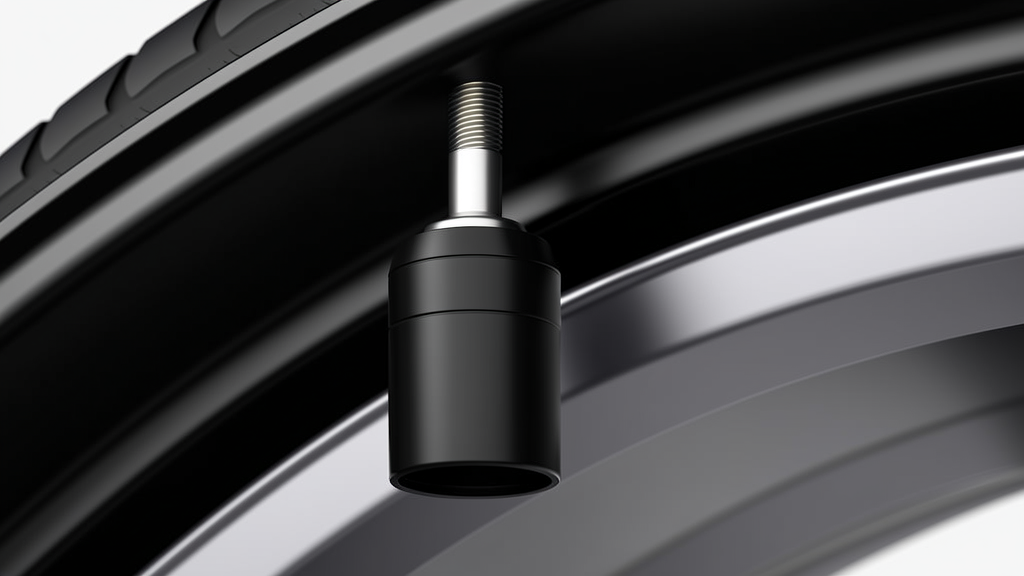
If live data confirms a failed 433 MHz clamp-in sensor, use a pre-programmed replacement matched by OE reference and vehicle fitment. A suitable option is BL-ST-057 | BH-Sens 433MHz TPMS Tire Pressure Sensor | Fits Avatr, Changan, Deepal, Mazda, Nevo & 1 More | OE# 3601010CD01, 3601010DG01, 3601010MK02. Verify the OE number on the old sensor and check your vehicle manual or a fitment guide before ordering.
| Spec | Detail |
|---|---|
| Brand | BH-Sens (Baolong Technology) |
| Frequency | 433 MHz |
| Type | Clamp-in, pre-programmed |
| OE references | 3601010CD01, 3601010DG01, 3601010MK02, 3601010MK02ED01 |
| Compatible brands | Avatr, Changan, Deepal, Mazda, Nevo, and additional fitments |
Recommended Part
Recommended Part: BL-ST-057 | BH-Sens 433MHz TPMS Tire Pressure Sensor | Fits Avatr, Changan, Deepal, Mazda, Nevo & 1 More | OE# 3601010CD01, 3601010DG01, 3601010MK02 — BH-Sens 433MHz TPMS Tire Pressure Sensor, clamp-in and pre-programmed. Confirm OE reference and fitment for your Oshan before installation.
FAQ
How long do Oshan TPMS sensor batteries last?
Most TPMS sensor batteries last several years, but life depends on drive time and sensor sleep behavior. When one sensor stops reporting while the others read normally, test it before replacing the set.
Can I drive with the TPMS light on?
Yes, but check tire pressure first. If pressure is correct and the light flashes or stays on, get the TPMS system scanned.