
Avatr TPMS Relearn and Sensor Programming: Auto, OBD, and Stationary Procedures
Quick AnswerOn most Avatr models, a new or rotated TPMS sensor only needs a relearn — the job of telling the vehicle’s TPMS module which…

Quick AnswerOn most Avatr models, a new or rotated TPMS sensor only needs a relearn — the job of telling the vehicle’s TPMS module which…
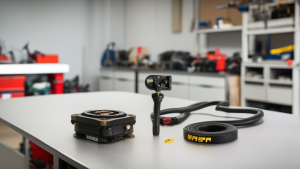
Quick AnswerThe Changan UNI-K runs a 433 MHz TPMS system, so it needs 433 MHz sensors — a 315 MHz sensor will not talk to…

Quick AnswerAfter replacing a TPMS sensor or rotating tires, a Mazda needs its sensor IDs registered with the vehicle’s TPMS module — either by driving…
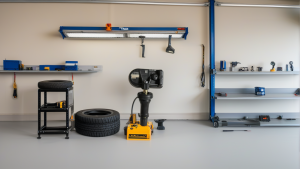
Quick AnswerWhen installing TPMS sensors on the EQV, use a torque wrench set to 4–6 Nm (35–53 in‑lb) for the clamp‑in retaining nut. Always replace…

Quick AnswerFor an EADO PHEV, you need a 433MHz clamp-in TPMS sensor that matches OE numbers 3601010CD01, 3601010DG01, or 3601010MK02. Before ordering, confirm your vehicle’s…

Quick AnswerFor most NX SERIES owners, a quality aftermarket TPMS sensor like the BH-Sens BL-ST‑057 works just as reliably as the OEM unit at roughly…

Quick AnswerThe RAETON CC uses 433MHz TPMS sensors (not 315MHz) with a typical battery life of 5–7 years, an IP rating of IPX7 or IP6K9K,…

Quick AnswerThe BH-Sens BL-ST-089 (433MHz, pre-programmed) is a direct-fit TPMS sensor for most Avatr models, as well as compatible Changan, Deepal, Mazda, and Nevo vehicles…

Quick AnswerFor most UNI-T owners, a quality aftermarket TPMS sensor like the BH-Sens BL-ST-057 offers the same 433MHz frequency and OE fitment as the original…
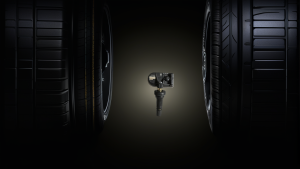
Quick AnswerThe TPMS warning light on your IX typically signals either a dead sensor battery (4-7 year lifespan) or external RF interference. Dead batteries cause…