
Why Winter Tire Swaps Matter for Your BOX’s TPMS
If you own a BOX—whether it’s a Fengon, Infineon, or one of the other compatible models like Mitsubishi or Nammi—changing to winter tires is a seasonal ritual. But here’s what many owners overlook: your tire pressure monitoring system (TPMS) is directly affected by that swap. A simple tire change can trigger warning lights, inaccurate readings, or even sensor damage if you’re not careful.
The physics is simple. For every 10°F drop in ambient temperature, tire pressure decreases by roughly 1–2 PSI. In winter, that means your BOX’s tires could be running 5–10 PSI below the recommended pressure if you haven’t adjusted since summer. Low pressure reduces grip, increases wear, and can damage the tire sidewall. Your TPMS is designed to catch this, but only if the sensors are working correctly after the swap.
Before the Swap: Know Your TPMS Sensors
Most BOX models use clamp-in sensors like the BH-Sens 433MHz unit (SKU: BL-ST-066). These are installed inside the tire, attached to the valve stem, and transmit pressure and temperature data to your vehicle’s computer. When you mount winter tires on a separate set of wheels, you have two choices:
- Install sensors in the winter wheels (recommended for accurate monitoring year-round)
- Reuse the summer sensors (requires dismounting and remounting, which risks damage)
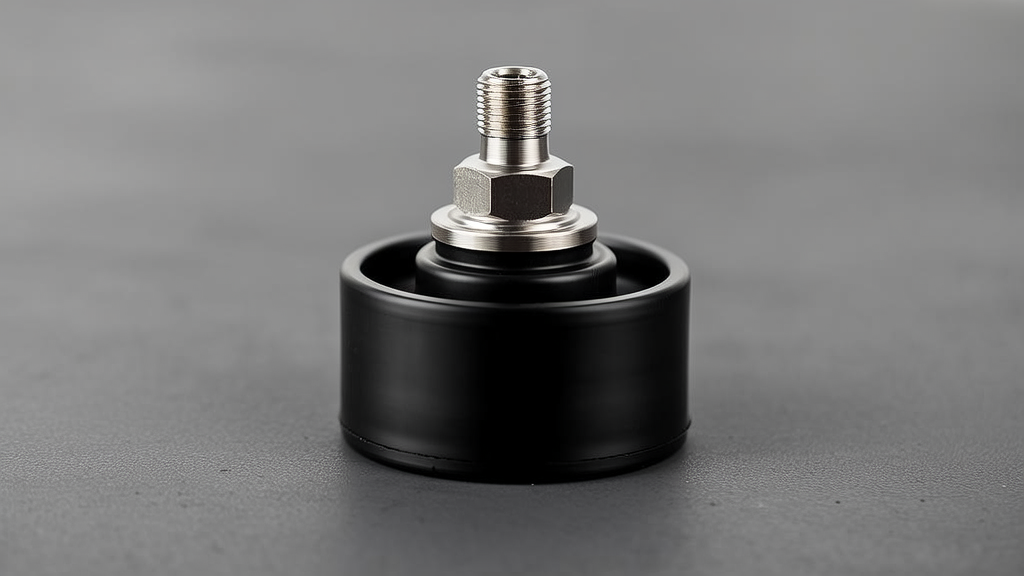
If you’re buying a dedicated winter wheel set, it’s smart to install a second set of sensors. The BL-ST-066 | BH-Sens 433MHz TPMS Tire Pressure Sensor | Fits Fengon, Ineos, Infiniti, Mitsubishi, Nammi & 4 More | OE# 3641050RD01, 407002GL0A, 407002GN0A fits a wide range of vehicles—including Fengon, Ineos, Infiniti, Mitsubishi, Nammi, and four more—making it a reliable choice for a second set. Just ensure the sensor frequency matches your vehicle (433MHz in this case) and that the OE numbers (3641050RD01, 407002GL0A, 407002GN0A, etc.) are compatible with your BOX model year.
Step-by-Step: Winter Tire Swap with TPMS
1. Check Sensor Battery Life
Most TPMS sensors have a battery life of 5–10 years. If your sensors are older than 5 years, consider replacing them before winter. A dead sensor will trigger a constant warning light.
2. Program or Relearn the Sensors
After mounting winter wheels, your BOX’s TPMS system needs to “learn” the new sensor IDs. This process varies by vehicle:
- Some BOX models auto-relearn after driving 10–20 minutes above 15 mph.
- Others require a manual relearn using a TPMS tool or a specific sequence (check your owner’s manual).
If you skip relearning, you’ll see a flashing TPMS light followed by a solid light—meaning the system isn’t receiving data from the new sensors.
3. Set Winter Tire Pressure Correctly
Don’t just inflate to the summer PSI. Cold temperatures mean you need to adjust. Use the pressure listed on your BOX’s driver-side door jamb sticker (usually 32–35 PSI for most models). In winter, add 3–5 PSI above that to account for natural pressure loss in extreme cold.
4. Torque Lug Nuts Properly
This isn’t TPMS-specific, but undertorqued or overtorqued lug nuts can damage the sensor housing during mounting. Use a torque wrench and follow your BOX’s spec (typically 80–100 ft-lbs for passenger vehicles).
Pressure Changes with Temperature: What to Expect
| Temperature Change | Typical Pressure Change | Action Needed |
|---|---|---|
| 70°F → 30°F | -4 to -6 PSI | Inflate to door sticker + 3 PSI |
| 30°F → 0°F | -3 to -4 PSI | Check weekly; inflate as needed |
| Day to night swing | ±2 PSI | Normal; no action unless warning light appears |
Your TPMS will alert you when pressure drops 25% below the recommended level. But don’t wait for the light—check pressures manually every 2–3 weeks in winter.
Storage Tips for Summer Wheels with TPMS
When storing your BOX’s summer wheels with sensors still installed:
- Store indoors if possible. Extreme cold can accelerate battery drain and damage the rubber valve stem.
- Stack wheels horizontally or hang them on a wall rack. Never stack them upright on the tire sidewall—this can warp the sensor housing.
- Deflate tires slightly (to about 20 PSI) to reduce stress on the sidewall and sensor during long storage.
- Label each wheel with its position (LF, RF, LR, RR) so you can reinstall them in the same spot next season. This avoids TPMS relearn issues.
When to Replace Your TPMS Sensors
If you’re mounting winter tires and notice any of these signs, replace the sensor immediately:
- Corrosion on the valve stem or sensor body
- Cracked rubber grommet
- Battery age over 7 years
- Intermittent TPMS warning light after a known good pressure check
The BL-ST-066 | BH-Sens 433MHz TPMS Tire Pressure Sensor | Fits Fengon, Ineos, Infiniti, Mitsubishi, Nammi & 4 More | OE# 3641050RD01, 407002GL0A, 407002GN0A is a direct replacement for many BOX-compatible vehicles. It’s a clamp-in type (common for most modern vehicles) and uses a replaceable battery? Actually, no—most TPMS sensors have sealed batteries. When the battery dies, you replace the whole sensor. That’s why choosing a reliable brand like BH-Sens (Baolong Technology) matters: they’re known for 7–10 year battery life and stable RF performance in cold weather.
Recommended Part
For owners of BOX and compatible models (Fengon, Ineos, Infiniti, Mitsubishi, Nammi, and others) needing a winter-set TPMS sensor, the BL-ST-066 | BH-Sens 433MHz TPMS Tire Pressure Sensor | Fits Fengon, Ineos, Infiniti, Mitsubishi, Nammi & 4 More | OE# 3641050RD01, 407002GL0A, 407002GN0A is a solid choice. It’s a 433MHz clamp-in sensor with broad OE coverage (3641050RD01, 407002GL0A, 407002GN0A, and six more). Always verify your vehicle’s exact OE number before purchasing.
FAQ
Can I use the same TPMS sensors on both summer and winter wheels?
Yes, but you’ll need to dismount and remount them each season. This increases the risk of damaging the sensor during tire changes. Most owners prefer buying a second set for winter wheels to avoid this hassle.
Why does my TPMS light come on after a winter tire swap?
The most common reason is that the system hasn’t been relearned to recognize the new sensor IDs. Drive your BOX for 10–20 minutes above 15 mph; if the light stays on, perform a manual relearn using a TPMS tool or your vehicle’s menu.
How often should I check tire pressure in winter?
At least every two weeks. Cold weather causes gradual pressure loss even without a leak. Also check after any rapid temperature drop of 15°F or more.
Will cold weather drain my TPMS sensor battery faster?
Extreme cold (below 0°F) can temporarily reduce battery voltage and affect transmission range, but it doesn’t permanently damage the battery. However, sensors already near end-of-life may fail sooner in winter conditions.