
Understand Your Vehicle’s TPMS Requirements
Before buying any sensor, check two things: the frequency your vehicle uses and the sensor type. Most modern FREE models (Aeolus, Eπ, Mhero, Nammi, Voyah) run on 433MHz. If you have an older import or a model from a different region, it might use 315MHz. A mismatch means the sensor won’t communicate with your car’s ECU.
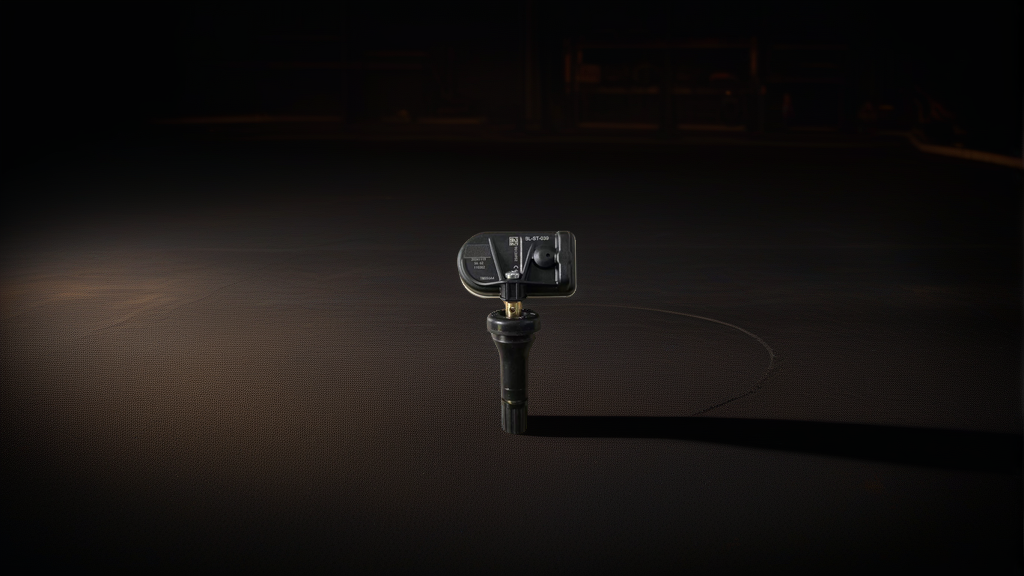
The BH-Sens BL-ST-039 (SKU: BL-ST-039) operates at 433MHz and is pre-programmed, meaning it comes ready to work with your vehicle without additional cloning tools. This saves time and labor costs, especially important for bulk orders.
OE Numbers: The Shortcut to Correct Fitment
Each sensor has a unique OE number stamped on the metal housing. For the BL-ST-039, the compatible OE numbers are E300019160, E300020260, and H56A7920001AC. If any of these match your current sensor, the BL-ST-039 is a direct fit.
| OE Number | Compatible with FREE Models | Notes |
|---|---|---|
| E300019160 | Aeolus, Voyah | Common on 2021+ models |
| E300020260 | Eπ, Mhero | Used on newer EV platforms |
| H56A7920001AC | Nammi, Voyah | Pre-2021 crossover fitment |
Always remove your original sensor and read the OE number directly. Do not rely on model year alone—manufacturers sometimes change suppliers mid-production.
What to Check Before Ordering
- Frequency: Confirm 433MHz (most FREE models) or 315MHz.
- Type: The BL-ST-039 is a clamp-in design, which is standard for modern TPMS sensors. Ensure your vehicle uses metal valve stems, not rubber snap-in types.
- Pre-programmed vs. programmable: Pre-programmed (like the BL-ST-039) saves you a programming step. Programmable sensors require a TPMS tool to clone the original sensor ID—best for shops, not DIY buyers.
- Bulk compatibility: For B2B orders, verify that all sensors in a batch share the same OE number and frequency. Mixed batches cause return headaches.
B2B Bulk Buying Notes
When ordering 50+ sensors for a fleet of FREE vehicles:
- Request a sample first – Test fitment on one vehicle before committing to a full batch.
- Check the seal – Clamp-in sensors use a rubber gasket or metal washer. Ensure the supplier provides new gaskets with each sensor.
- Confirm packaging – Bulk orders should come in anti-static trays, not loose bags, to prevent damage during shipping.
- Ask about MOQ – Minimum order quantities for pre-programmed sensors from Chinese factories often start at 50–100 units.
Recommended Part
For a reliable, OE-fit replacement on FREE vehicles, use the BL-ST-039 | BH-Sens 433MHz TPMS Tire Pressure Sensor | Fits Aeolus, Eπ, Mhero, Nammi, Voyah | OE# E300019160, E300020260, H56A7920001AC. It covers Aeolus, Eπ, Mhero, Nammi, and Voyah with the correct 433MHz frequency and clamp-in design.
FAQ
How do I know if my FREE uses 433MHz or 315MHz?
Check the old sensor’s label. Most FREE models from 2015 onward use 433MHz. If you can’t read the label, use a TPMS diagnostic tool (like an Autel or Bartec) to read the current sensor frequency.
Can I install this sensor myself?
Yes, if you have a tire machine and a torque wrench. Clamp-in sensors require tightening to the manufacturer’s specified torque (usually 30–35 Nm). Overtightening damages the sensor; undertightening causes air leaks.
What’s the difference between pre-programmed and programmable sensors?
Pre-programmed sensors (like BL-ST-039) come with a preset ID that matches OE specifications for your vehicle. Programmable sensors require a tool to write the original sensor’s ID into the new one. Pre-programmed is easier for DIY users; programmable offers flexibility for shops serving multiple brands.
How long do these sensors typically last?
TPMS sensor battery life is 5–7 years under normal use. The BL-ST-039 uses a sealed lithium battery. Replace all four sensors at once to avoid staggered failures.