
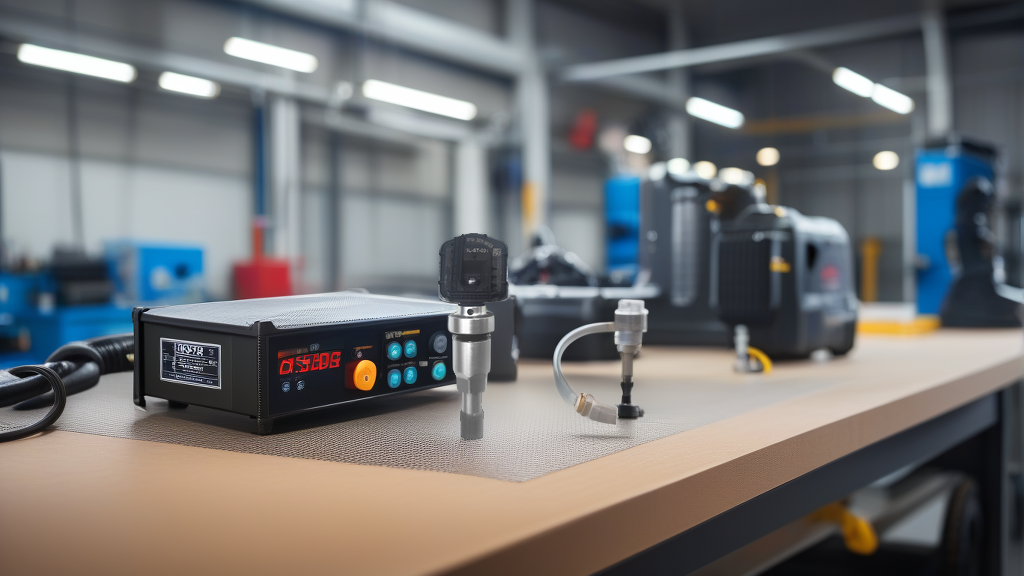
Why Correct Torque Matters for WHALE TPMS Sensors
WHALE vehicles — part of the SAIC group alongside IM, MG, Rising, and Roewe — use clamp-in TPMS sensors that thread into the wheel’s valve hole. Under-torquing causes air leaks and sensor wobble; overtightening can crack the sensor body or strip threads. Use a dedicated torque wrench set to the vehicle’s specified range (check your owner’s manual, typically 35–45 in-lbs).
Never use a standard impact gun. The sudden force can damage the sensor’s internal electronics or break the mounting stud.
Valve Stem Service: What to Replace
When installing a new TPMS sensor, always replace:
| Component | Reason |
|---|---|
| Valve stem core | Prevents corrosion and ensures a tight seal |
| Valve stem cap | Keeps debris out and maintains pressure |
| Seal/gasket | Compresses to prevent air leakage at the rim |
Pro tip: After tightening the sensor nut, install a new valve stem core and tighten it to 4–6 in-lbs (hand-tight plus a quarter turn). Over-tightening the core can deform the seal.
Common Installation Mistakes to Avoid
1. Overtightening the Sensor Nut
Using a standard wrench without a torque limiter is the #1 cause of sensor damage. The plastic or aluminum sensor housing cracks easily. Always use a beam-type or click-style torque wrench.
2. Cross-Threading the Valve Hole
WHALE wheels often have aluminum or steel rims. Start the sensor nut by hand for two full turns before using any tool. Cross-threading ruins the wheel’s valve hole and may require drilling and tapping.
3. Forgetting to Program or Clone the Sensor
While the BL-ST-031 | BH-Sens 433MHz TPMS Tire Pressure Sensor | Fits Im, MG, Rising, Roewe | OE# 10290600, 10625492, 10718213 is pre-programmed for WHALE fitments, some older models require cloning from the original sensor. Verify compatibility with your TPMS tool before mounting the tire. If the sensor isn’t recognized after installation, you’ll have to dismount the tire to access it.
4. Ignoring Tire Bead Lubrication
Dry tire beads can shift the sensor during mounting, breaking the seal. Apply a thin layer of bead lubricant to the tire’s inner sidewall and rim flange before seating the bead.
Recommended Part for WHALE Vehicles
For a direct replacement on WHALE models (including IM, MG, Rising, and Roewe), the BH-Sens BL-ST-031 433MHz TPMS sensor (OE# 10290600, 10625492, 10718213, 11205327) is pre-programmed and clamp-in ready. Use it with new valve seals and a torque wrench set to 35–45 in-lbs.
FAQ
What torque should I use for a WHALE TPMS sensor nut?
Check your specific WHALE model’s manual, but most clamp-in sensors in this family require 35–45 in-lbs (4–5 Nm). Never exceed 50 in-lbs to avoid cracking the sensor.
Can I reuse the old valve stem core when installing a new sensor?
No. Replace the core, cap, and seal every time you install a new sensor. The old core may have micro-cracks or corrosion that cause slow leaks.
Why is my new TPMS sensor not being detected after installation?
First, ensure the sensor is compatible with your WHALE model and frequency (433MHz). If it’s a pre-programmed sensor like the BL-ST-031, try a manual re-learn using your TPMS tool. Some WHALE models require a drive cycle of 10–15 minutes above 20 mph to register the sensor.
Does the BL-ST-031 fit all WHALE models?
It fits WHALE models that use 433MHz clamp-in sensors with OE numbers 10290600, 10625492, 10718213, and 11205327. Always cross-reference your old sensor’s OE number before purchasing.