
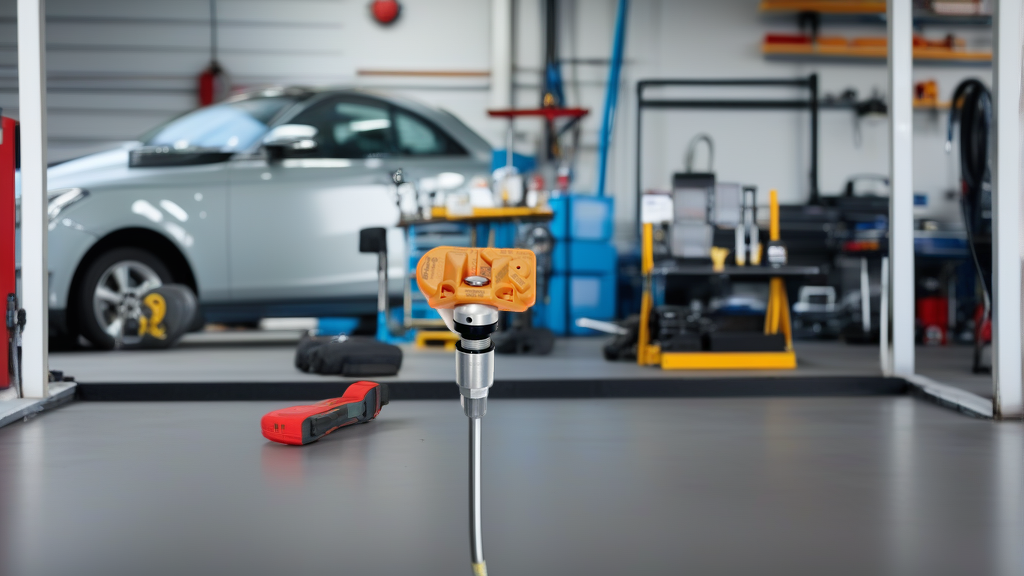
Why TPMS Torque Specs Matter for Your Alpina
Alpina vehicles—whether the B7, XB7, or classic Roadster—share BMW’s TPMS architecture but often come with unique wheel offsets and tire pressure monitoring thresholds. The RDE027V21 sensor (433MHz) is a direct OE replacement for BMW and Alpina models that use clamp-in sensors. Getting the torque wrong can crack the sensor housing or cause a slow leak at the valve stem.
Recommended Torque Ranges
| Component | Torque Range | Notes |
|---|---|---|
| Sensor-to-wheel nut | 7–9 Nm (62–80 in-lbs) | Use a beam or click-type torque wrench |
| Valve stem hex nut | 4–5 Nm (35–44 in-lbs) | Do not exceed 5 Nm |
| Valve core | Hand-tight + 1/8 turn | Over-tightening strips threads |
| Wheel lug nuts (reference) | 140–160 Nm (103–118 ft-lbs) | Refer to Alpina owner’s manual |
Important: The BH-Sens RDE027V21 is pre-programmed and does not require cloning. However, after installation, the vehicle must perform a TPMS relearn procedure (usually via a hand-held tool or after driving above 25 mph for 5 minutes).
Valve Stem Service: What Most Techs Skip
When you install a new RDE027V21 sensor, always replace the entire valve stem service kit (rubber grommet, metal washer, and valve cap). The grommet compresses over time and loses its seal. A reused grommet will leak within 6–12 months, especially on Alpina models with run-flat tires that transmit more vibration.
Steps for proper valve stem service:
- Remove the old sensor and discard the grommet and washer.
- Clean the wheel hole with a nylon brush—no grease or lube.
- Install the new grommet on the valve stem, then the metal washer.
- Tighten the hex nut to 4–5 Nm only. The rubber grommet seals the hole; overtightening deforms it.
Three Common Installation Mistakes on Alpina Models
1. Cross-Threading the Sensor Nut
The RDE027V21 uses an M8 x 1.25 thread. If the nut doesn’t spin freely by hand, stop. Forcing it cross-threads the pocket in the wheel, causing a permanent leak.
2. Ignoring the Valve Cap Torque
Many owners crank the plastic valve cap down hard, thinking it prevents leaks. The cap does not seal—the valve core does. Over-tightening the cap can crack the TPMS sensor’s stem.
3. Failing to Relearn After Tire Rotation
Alpina’s TPMS system tracks each wheel position. If you swap tires without a relearn, the dashboard shows the wrong tire location. Use a TPMS tool to assign sensor IDs to LF, RF, RR, LR.
Recommended Part
For a direct-fit, pre-programmed replacement on Alpina, BMW, and Mini models (OE# 36106856209, 36106881890, 6855539), use the RDE027V21 | BH-Sens 433MHz TPMS Tire Pressure Sensor | Fits Alpina, BMW, Mini | OE# 36106856209, 36106881890, 6855539. It includes the correct 433MHz frequency and clamp-in design.
FAQ
How do I know if my Alpina uses 433MHz sensors?
Alpina models from roughly 2010–2020 use 433MHz sensors. Check the original sensor’s label or use an OBD2 scan tool to read the frequency. The RDE027V21 covers most BMW-platform Alpina vehicles.
Can I install the sensor without removing the tire?
No. Clamp-in sensors require the tire to be dismounted. The sensor mounts inside the wheel barrel and the valve stem protrudes through the rim.
What happens if I over-torque the valve stem nut?
Over-torquing compresses the rubber grommet too much, causing it to permanently deform and leak air. You may also crack the plastic sensor housing, requiring a full sensor replacement.
Why does my Alpina show TPMS fault after sensor replacement?
The most likely causes are: (1) the sensor was not learned to the vehicle, (2) the battery in the sensor is dead (check manufacturing date), or (3) the valve core is loose. Run a TPMS relearn procedure with a compatible tool.