
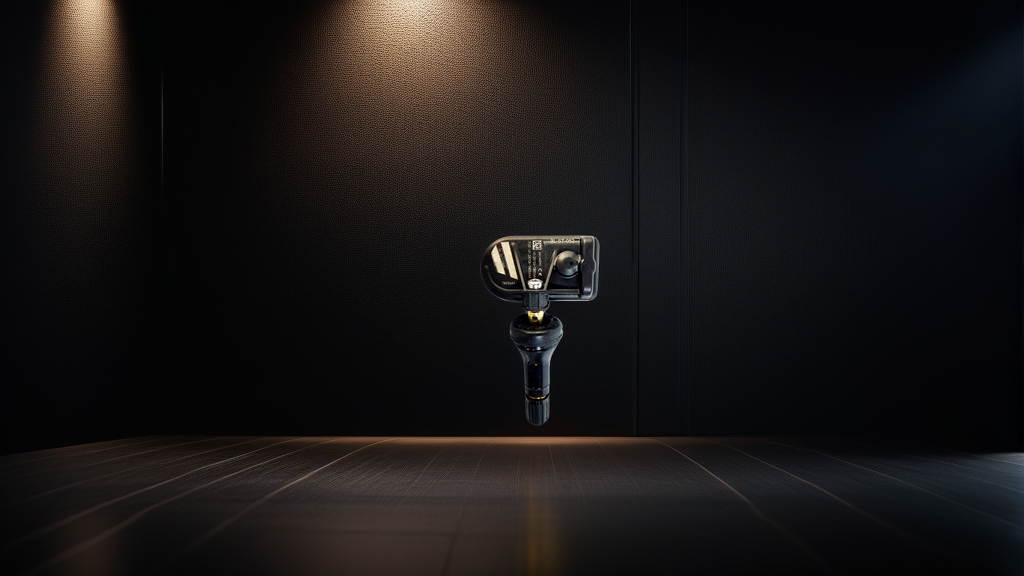
Why G CLASS TPMS Sensor Installation Matters
The G CLASS relies on accurate tire pressure monitoring for off-road safety and on-road stability. A poorly installed TPMS sensor can lead to false warnings, slow leaks, or sensor damage. Unlike some passenger cars, the G CLASS often uses clamp-in sensors (metal valve stem with a nut), which are more robust but require precise torque and proper sealing.
Key Installation Torque Specs
| Component | Recommended Torque | Notes |
|---|---|---|
| Sensor-to-wheel nut | 30–45 in-lbs (3.4–5.1 Nm) | Check your vehicle manual; overtightening cracks the sensor housing |
| Valve stem core | 3–5 in-lbs (0.3–0.6 Nm) | Hand-tighten with a core tool; too tight strips threads |
| Valve stem cap | Hand-tight only | Metal caps can seize if over-torqued |
Never use an impact gun on TPMS sensor nuts. A torque wrench with an inch-pound setting is mandatory. For the G CLASS, many aftermarket wheels require the lower end of the range (30–35 in-lbs) to avoid stress on the aluminum rim.
Valve Stem Service Tips
- Replace the valve stem core every time you install a new sensor. The rubber seal degrades over time, and a new core prevents micro-leaks.
- Use a new sealing grommet or washer (supplied with most BH-Sens sensors). Reusing old grommets is the #1 cause of slow leaks post-installation.
- Lubricate the grommet with a drop of tire mounting lubricant (not oil) to prevent tearing during tightening.
- For the G CLASS, check that the valve stem hole is clean of rust or debris—common on off-road vehicles. A wire brush or small file ensures a flat sealing surface.
Common Installation Mistakes to Avoid
- Overtightening the sensor nut. This cracks the sensor housing or deforms the grommet, causing immediate or delayed leaks. Use a torque wrench.
- Cross-threading the valve stem core. Always start threading by hand, then snug with a core tool. Forced starts ruin the core and cause leaks.
- Using the wrong torque for alloy vs. steel wheels. G CLASS models with steel wheels (common on older or military variants) may require different torque. When in doubt, use factory spec for your specific wheel type.
- Forgetting to re-learn the sensor. Even a pre-programmed sensor like the BL-ST-052 | BH-Sens 433MHz TPMS Tire Pressure Sensor | Fits Forthing | OE# CM5B3685020, CM5B3685020S, SX5G3685020B requires a TPMS re-learn procedure after installation. On most G CLASS models, this is done via a TPMS tool or driving above 20 mph for 10 minutes.
- Mixing sensor frequencies. The G CLASS uses 433MHz sensors. Ensure your replacement matches—the BH-Sens BL-ST-052 is 433MHz and covers Forthing applications, but always verify compatibility with your specific G CLASS year.
Recommended Part
For a direct-fit, pre-programmed 433MHz TPMS sensor that works with G CLASS models using OE# CM5B3685020 or CM5B3685020S, consider the BL-ST-052 | BH-Sens 433MHz TPMS Tire Pressure Sensor | Fits Forthing | OE# CM5B3685020, CM5B3685020S, SX5G3685020B. It comes pre-programmed to common protocols, reducing programming time and error.
FAQ
What is the exact torque spec for a G CLASS TPMS sensor nut?
There isn’t a single universal spec across all G CLASS years and wheel types. Most clamp-in sensors require 30–45 in-lbs. Check your owner’s manual or the sensor manufacturer’s instructions. Overtightening beyond 50 in-lbs risks sensor damage.
Can I reuse the old valve stem when installing a new TPMS sensor?
No. Always replace the valve stem core and the rubber sealing grommet. The old rubber may be hardened or cracked, leading to a slow leak. Most BH-Sens sensors include a new grommet.
Why does my G CLASS TPMS light stay on after sensor replacement?
The sensor needs to be “learned” to the vehicle’s TPMS module. Drive above 20 mph for 10–15 minutes, or use a TPMS trigger tool. If the light remains, verify the sensor frequency (433MHz) and that the sensor is not faulty.
Is the BH-Sens BL-ST-052 compatible with all G CLASS models?
It fits vehicles using OE# CM5B3685020, CM5B3685020S, or SX5G3685020B—primarily Forthing applications. For G CLASS models outside that range, check your OE part number against the sensor’s compatibility list. Always confirm with your parts supplier.