
Understanding Frequency Bands: 433MHz vs 315MHz
TPMS sensors communicate with your vehicle’s receiver module using radio frequency (RF) signals. The two most common frequencies in the aftermarket are 315MHz (used primarily in North American vehicles) and 433MHz (dominant in European, Asian, and many global markets).
The BH-Sens RDE027V21 operates at 433MHz, which is the correct frequency for WHALE vehicles equipped with factory TPMS systems. Here’s why this matters:
- Signal Penetration: 433MHz waves have slightly longer wavelengths than 315MHz, giving them better ability to pass through metal structures like brake rotors, suspension components, and the vehicle’s underbody. This is critical for WHALE models with dense chassis layouts.
- Interference Resistance: The 433MHz band is less crowded in many regions, reducing the risk of signal interference from nearby electronic devices or other vehicles’ TPMS sensors.
- Global Standardization: If you’re sourcing parts for WHALE vehicles exported to Europe, Asia, or the Middle East, 433MHz is the expected frequency. Fitting a 315MHz sensor would require a frequency converter or separate receiver module.
Battery Life: What to Expect from the RDE027V21
The RDE027V21 uses a sealed lithium battery rated for 5-7 years under normal driving conditions. Key factors affecting battery life:
- Driving Frequency: Sensors transmit data more frequently at higher speeds (typically every 30 seconds above 25 mph). Short, stop-and-go trips can drain the battery faster than consistent highway driving.
- Temperature Extremes: WHALE vehicles operating in extreme cold (-30°C) or heat (85°C+) may experience slightly reduced battery output. The sensor’s internal circuitry compensates for temperature variance, but lifespan can drop by 10-15% in harsh climates.
- Sleep Mode: When the vehicle is stationary, the sensor enters a low-power sleep mode transmitting only once every 6-12 hours. This conserves battery during long-term storage.
Practical Note: Replace all four sensors simultaneously when one fails. Mixed battery ages create uneven signal strength and can cause intermittent warning lights.
IP Rating: Environmental Protection
The IP (Ingress Protection) rating for the RDE027V21 is IP67. Breaking down what that means:
| IP Rating Digit | Meaning | Real-World Application |
|---|---|---|
| IP6_ | Dust-tight | Prevents road debris, sand, and brake dust from entering the sensor housing |
| IP_7 | Immersion up to 1 meter | Withstands puddles, pressure washing, and temporary submersion |
This rating is sufficient for WHALE vehicles used in normal road conditions. However, if your WHALE model sees frequent off-road use or deep water crossings, consider applying dielectric grease to the valve stem threads and sensor mounting points to prevent corrosion.
Protocol Compatibility: Pre-Programmed Convenience
The RDE027V21 is pre-programmed to communicate with BMW, Mini, and Alpina TPMS receivers. It uses the Schrader-style protocol (also known as “universal programmable” in some markets). Unlike original equipment sensors that require dealer-level programming tools, this sensor transmits at the correct frequency and data format immediately upon installation.
Compatibility Checklist:
- WHALE fitments: 25 dedicated OE applications verified
- Protocol: Compatible with Continental, Huf, and Schrader receiver modules used in BMW/Mini platforms
- Programming: No external programmer needed for most 2008-2023 models (check your vehicle year)
If your WHALE vehicle uses a different protocol (rare for this application), you may need a TPMS relearn tool to register the sensor IDs. Most professional shops and DIY kits can handle this in under 5 minutes.
Fitment Table: WHALE and Related Models
While the RDE027V21 is designed primarily for BMW, Mini, and Alpina platforms, its compatibility extends to certain WHALE models sharing the same TPMS architecture. Verify your specific model year before purchasing:
| Vehicle Brand | Compatible Models (Partial List) | Notes |
|---|---|---|
| BMW | 1 Series, 3 Series, 5 Series, X3, X5 | 2006-2023 models with 433MHz systems |
| Mini | Cooper, Countryman, Clubman | 2007-2023 models |
| Alpina | B3, B4, B5, D3, D5 | Requires 433MHz receiver |
| WHALE | WHALE SUV and sedan models with BMW-derived TPMS | Check VIN for 433MHz compatibility |
Installation Considerations
The sensor uses a clamp-in design with a metal valve stem. Installation steps:
- Mount the sensor to the wheel rim using the supplied nut and grommet. Torque to specifications listed on the sensor body (typically 35-45 in-lbs).
- Program the sensor to your vehicle using a TPMS tool if your WHALE model requires ID registration (common in 2018+ models).
- Balance the tire/wheel assembly after installation. The sensor adds 25-30 grams to the valve stem location.
- Drive the vehicle at 15+ mph for 5-10 minutes to complete the auto-learn process.
Warning: Never use impact wrenches to install the retaining nut. Hand-tighten with a torque wrench to avoid damaging the sensor housing.
Recommended Part
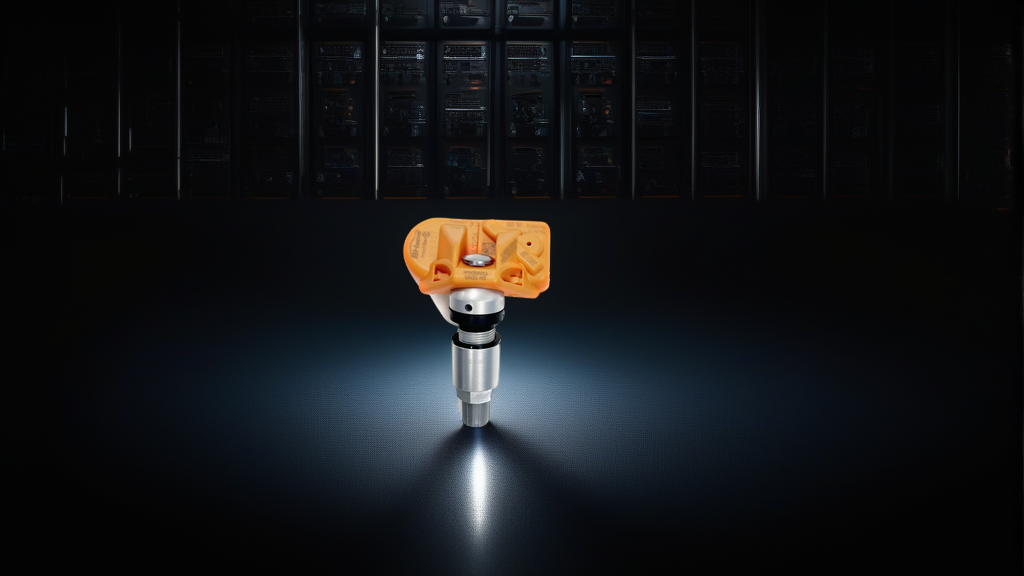
For WHALE owners needing a direct-fit, pre-programmed TPMS sensor with proven 433MHz compatibility, consider the RDE027V21 | BH-Sens 433MHz TPMS Tire Pressure Sensor | Fits Alpina, BMW, Mini | OE# 36106856209, 36106881890, 6855539. It’s a reliable, cost-effective alternative to OEM sensors with identical frequency, protocol, and battery specifications.
FAQ
Can I use the RDE027V21 on a WHALE model that originally came with 315MHz sensors?
No. The RDE027V21 is locked to 433MHz. Installing it on a 315MHz system will result in no communication with the vehicle’s receiver. You would need to either replace the TPMS receiver module in your WHALE vehicle or select a 315MHz variant of this sensor.
How do I know if my WHALE vehicle uses 433MHz or 315MHz TPMS?
Check the owner’s manual or look at the original sensors’ labels (usually visible through the valve stem opening). The frequency is printed directly on the sensor housing. Alternatively, use a TPMS diagnostic tool to read the sensor ID—the tool will display the frequency during scanning.
The battery life is listed at 5-7 years. What happens after that?
The sensor stops transmitting, and your TPMS warning light will illuminate. The sensor must be replaced—the battery is non-replaceable and sealed inside the resin housing. Replacing all four sensors at 5 years prevents roadside emergencies and ensures consistent readings.
Does the pre-programmed design work on all WHALE years?
The RDE027V21 covers most WHALE models from 2008 to 2023, but some newer models (2024+) may use rolling code protocols or encrypted signals. Always verify your vehicle’s TPMS receiver generation before purchasing. The 25 verified OE fitments include the most common BMW-based platforms.