
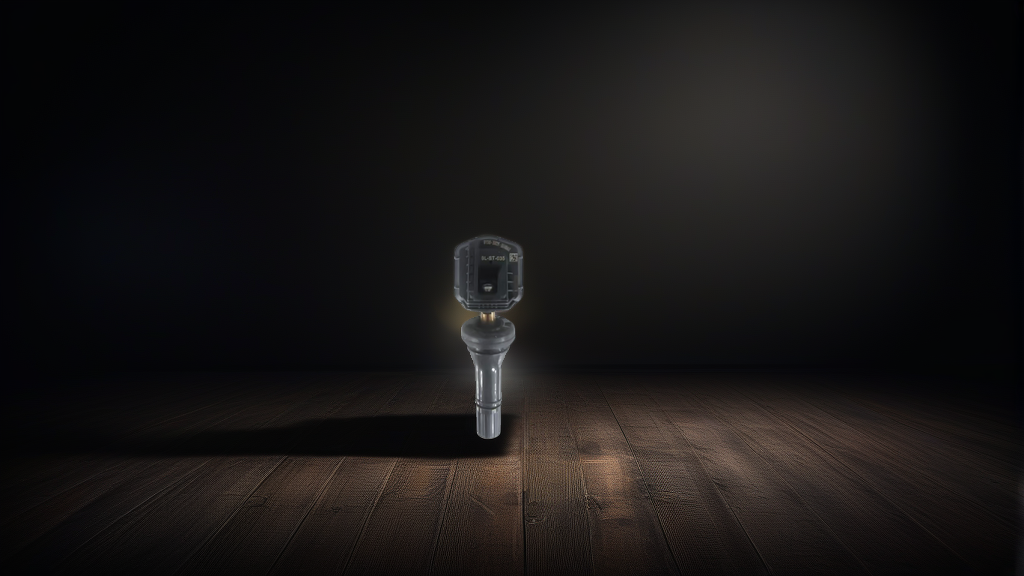
Why Correct Torque Matters for Ford TPMS Sensors
Ford vehicles, including models from the F-150 to the Focus, use clamp-in TPMS sensors with a metal valve stem. The sensor-to-wheel interface relies on a precise clamping force to seal the air chamber. If you’re installing a compatible replacement like the Ford BL-ST-035 (BH-Sens 433MHz, OE# 3787020BSK, CNHC156508AA, KC16508AA), torque accuracy is non-negotiable.
Common torque mistakes:
- Using a standard socket wrench (no torque measurement)
- Applying the same torque as a lug nut (100+ ft-lbs vs. ~3 ft-lbs)
- Relying on “feel” after years of working on other vehicles
Required Torque Specifications for Ford Clamp-in Sensors
| Component | Torque Range | Tool Required |
|---|---|---|
| Valve stem nut (to wheel) | 35–40 in-lbs (4–0–4.5 Nm) | Inch-pound torque wrench |
| Valve core (inside stem) | 3–5 in-lbs (0.3–0.6 Nm) | Valve core tool with torque stop |
| Sensor mounting screw (if applicable) | 25–30 in-lbs (2.8–3.4 Nm) | Small torque screwdriver |
Note: Always verify with your specific Ford model’s service manual. Some 2010–2014 Ford models use a slightly different torque value. When in doubt, use 35 in-lbs as the safe middle ground.
Valve Stem Service: The Forgotten Step
Many DIYers and even some shops install a new TPMS sensor but reuse the old valve stem seal kit. This is a leak waiting to happen. Ford sensors use a rubber grommet and a metal washer under the valve stem nut. Over time, that grommet hardens and loses its ability to seal.
Proper valve stem service procedure:
- Remove the old sensor and discard the grommet/washer.
- Clean the wheel hole surface with a wire brush or scotch pad. Remove any corrosion or old rubber residue.
- Install the new grommet on the sensor stem (lubricate with a drop of tire mounting soap).
- Insert the sensor through the wheel hole from inside the rim.
- Place the metal washer and nut on the outside.
- Torque to spec. Do not back off the nut after torquing.
Signs of a bad valve stem seal:
- Slow leak after tire service
- Corrosion around the valve stem base
- Visible cracking or flattening of the rubber grommet
Three Most Common Installation Mistakes on Ford TPMS Sensors
1. Impact Gun Overkill
Using an air impact wrench on the valve stem nut will strip threads, crack the sensor housing, or damage the wheel. Even a hand ratchet without torque control can over-tighten. The sensor is a precision electronic component—treat it like one.
2. Wrong Frequency or Programming
The BL-ST-035 is pre-programmed for 433MHz, which covers most Ford models from 2007–2021. However, some Ford vehicles (e.g., 2005–2006 Mustang, certain Lincoln models) use 315MHz. Always confirm your vehicle’s required frequency before installation. Installing a 433MHz sensor in a 315MHz system will not communicate.
3. Skipping the Sensor Relearn
After installing the sensor, the vehicle’s TPMS module must “relearn” the sensor IDs. Ford uses two relearn methods:
- Auto relearn (drive above 20 mph for 10–15 minutes after rotating tires)
- Manual relearn (using a TPMS tool or the dashboard menu sequence)
Common error: Installing new sensors and expecting them to work immediately without a relearn. The car will show a flashing TPMS light until the IDs are registered.
Recommended Part for Ford TPMS Replacement
For a direct OE-fit replacement on compatible Ford models (F-150, Escape, Focus, Fusion, Transit, and others), use the BL-ST-035 | BH-Sens 433MHz TPMS Tire Pressure Sensor | Fits Ford, Hongqi, Jmc, Li, Wmmotor | OE# 3787020BSK, CNHC156508AA, KC16508AA (BH-Sens BL-ST-035). It’s a clamp-in, pre-programmed 433MHz sensor that matches OE part numbers 3787020BSK, CNHC156508AA, and KC16508AA. No cloning required—just install, relearn, and go.
FAQ
Do I need to replace the valve stem every time I replace the sensor?
Yes—always replace the rubber grommet (valve stem seal) included with the sensor kit. Reusing the old one is the #1 cause of post-installation air leaks. Most aftermarket sensors like the BL-ST-035 include a new grommet and washer.
Can I use a torque wrench set to foot-pounds for TPMS installation?
No. Foot-pound torque wrenches are not accurate at the low range required for TPMS sensors (35 in-lbs = 2.9 ft-lbs). You need a dedicated inch-pound torque wrench. Using a ft-lb wrench at the bottom of its scale will result in over-torque.
How do I know if my Ford uses 433MHz or 315MHz TPMS?
Check your owner’s manual, look for a label on the sensor itself, or use a TPMS diagnostic tool. Ford switched to 433MHz around 2007, but some early models and specific vehicles (e.g., police interceptors, certain Lincoln SUVs) may still use 315MHz. The BL-ST-035 is 433MHz only.