
Understanding Your 圆梦 TPMS System
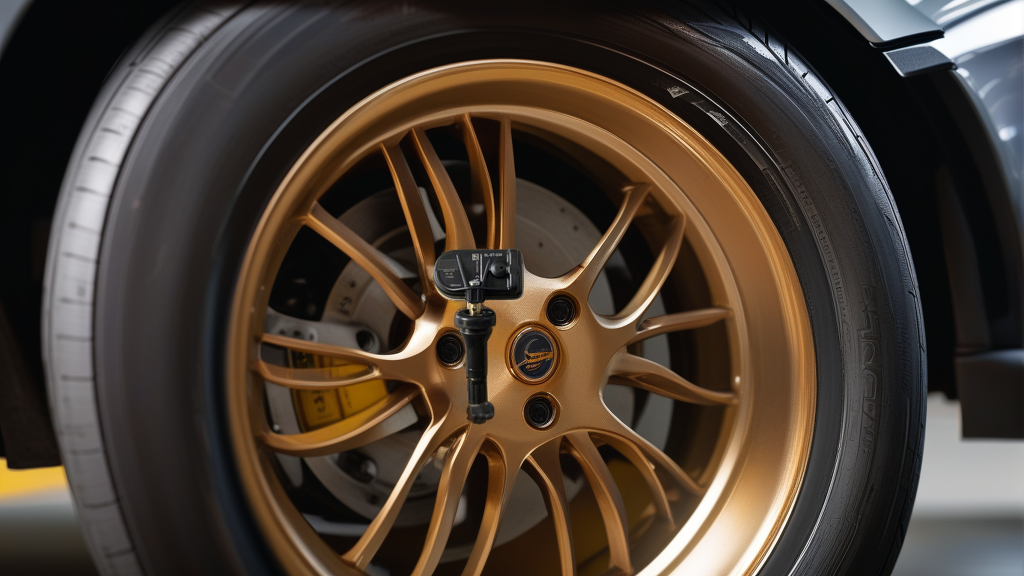
圆梦 vehicles, like many modern Chinese-manufactured cars, use a direct TPMS system where each tire has a dedicated sensor mounted inside the wheel. These sensors transmit pressure and temperature data to the vehicle’s ECU via radio frequency. The BL-ST-039 sensor from BH-Sens (Baolong Technology) is an OE-grade replacement that matches the factory specifications for several 圆梦 sub-brands.
The key to successful fitment lies in three factors: frequency, sensor programming, and physical mounting. This sensor operates at 433MHz—the standard frequency for most 圆梦 TPMS systems. It is pre-programmed to match the communication protocol used by Aeolus, Eπ, Mhero, Nammi, and Voyah models, meaning no additional programming is required before installation if your vehicle uses one of these systems.
Compatible 圆梦 Models and Year Coverage
The BL-ST-039 sensor is compatible with the following 圆梦 sub-brands. Year coverage varies by model, so always verify your specific vehicle’s production date.
Compatible Brands and Typical Models
| 圆梦 Sub-Brand | Common Models | Typical Year Range |
|---|---|---|
| Aeolus | Yixuan, Haohan, Shine Max, Yixuan GS | 2020–2024 |
| Eπ | Eπ 007, Eπ 008 | 2023–2024 |
| Mhero | Mhero 917 | 2023–2024 |
| Nammi | Nammi 01 | 2024 |
| Voyah | Free, Dreamer, Passion | 2021–2024 |
This table is a general guide. Some 圆梦 vehicles produced before 2020 may use a different TPMS frequency or sensor design. For example, early Aeolus models (pre-2020) sometimes used 315MHz sensors, so the 433MHz BL-ST-039 would not be compatible with those.
How to Verify Fitment Before Buying
Step 1: Check Your OE Part Number
The most reliable method is to locate the original sensor part number. Remove one wheel and inspect the sensor label. The BL-ST-039 replaces these three OE numbers:
- E300019160
- E300020260
- H56A7920001AC
If your sensor matches any of these, the BL-ST-039 is a direct swap. If the number is different but your vehicle is listed above, you may still be compatible—but double-check with a parts specialist.
Step 2: Confirm the Frequency
All 圆梦 TPMS sensors operate at either 315MHz or 433MHz. The BL-ST-039 is strictly 433MHz. You can confirm your vehicle’s frequency by:
- Checking the owner’s manual under “Tire Pressure Monitoring System”
- Reading the label on your existing sensor
- Using a TPMS diagnostic tool to read the sensor ID and frequency
Step 3: Verify Sensor Type – Clamp-in vs. Snap-in
The BL-ST-039 is a clamp-in sensor, meaning it secures to the wheel with a metal nut and rubber grommet. This is the standard design for most 圆梦 vehicles. If your car uses snap-in sensors (rubber valve stem with integrated sensor), this part will not fit. Clamp-in sensors are more durable and common on newer 圆梦 models.
Step 4: Check Your Vehicle’s TPMS Protocol
圆梦 vehicles from different sub-brands may use slightly different TPMS communication protocols. The BL-ST-039 is pre-programmed to match the protocols used by Aeolus, Eπ, Mhero, Nammi, and Voyah. If you own a 圆梦 vehicle from a different sub-brand (e.g., 圆梦 Fengshen or 圆梦 S30), this sensor may not be compatible. When in doubt, use a TPMS tool to read your existing sensor’s ID and compare it to the BL-ST-039’s compatibility list.
What Happens If You Choose the Wrong Sensor?
Installing an incompatible TPMS sensor can cause:
- No signal – The vehicle’s ECU will not detect the sensor, triggering a constant TPMS warning light.
- Incorrect readings – The system may show false pressure or temperature data.
- Relearn failure – The sensor cannot be programmed to sync with your car.
The BL-ST-039 is designed to avoid these issues by being pre-programmed for specific 圆梦 systems. However, if your vehicle uses a different frequency or protocol, you will need a different sensor.
Recommended Part
For most 圆梦 Aeolus, Eπ, Mhero, Nammi, and Voyah owners (2020–2024 models with 433MHz systems), the BL-ST-039 | BH-Sens 433MHz TPMS Tire Pressure Sensor | Fits Aeolus, Eπ, Mhero, Nammi, Voyah | OE# E300019160, E300020260, H56A7920001AC is a reliable OE replacement. It comes pre-programmed and uses the same clamp-in design as the factory part. Always verify your OE number before ordering.
FAQ
How do I know if my 圆梦 uses 433MHz or 315MHz TPMS sensors?
Check the label on your existing sensor, or look up your vehicle’s specifications by VIN on a TPMS database. Most 圆梦 models from 2020 onward use 433MHz, but pre-2020 models may use 315MHz. The BL-ST-039 is only for 433MHz systems.
Can I install the BL-ST-039 myself, or do I need a shop?
If you have basic automotive tools and a tire machine, you can install this clamp-in sensor yourself. However, you will need a TPMS relearn tool to pair the new sensor with your vehicle. Most 圆梦 models require a TPMS tool to complete the relearn procedure after sensor replacement.
Will this sensor work on a 圆梦 vehicle that originally came with a different OE number?
It depends. The BL-ST-039 replaces OE numbers E300019160, E300020260, and H56A7920001AC. If your sensor has a different number, it may still be compatible if your vehicle is from one of the listed sub-brands. However, the safest approach is to compare the sensor’s physical design and frequency. If in doubt, contact a TPMS specialist with your VIN.
What is the warranty on this BH-Sens TPMS sensor?
BH-Sens (Baolong Technology) offers a standard 2-year warranty on the BL-ST-039 sensor against manufacturing defects. This covers sensor failure, broken valve stems, and seal leaks. Damage from improper installation or accidents is not covered. Always follow the installation torque specifications from your vehicle manual.