
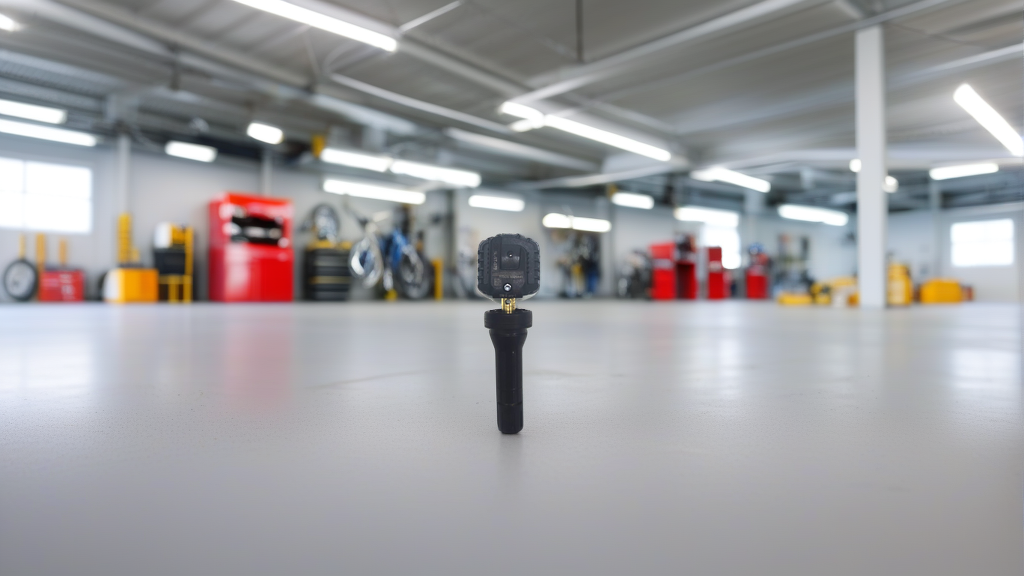
Why Torque Specs Matter on Citroen TPMS Sensors
Citroen vehicles—whether a C-Elysee or a DS7 Crossback—use clamp-in TPMS sensors that screw directly into the valve stem hole. The sensor-to-rim seal depends entirely on correct torque. Too loose: air leaks, sensor rattles, false low-pressure warnings. Too tight: you crack the sensor housing or strip the aluminum threads in the rim. Most Citroen models use a standard 28mm hex sensor (like the BL-ST-079), and the factory spec for the retaining nut is 35–45 Nm (26–33 lb-ft). Always verify your specific model year in the owner manual or workshop guide—some later DS models may spec up to 50 Nm.
Step-by-Step Installation for Citroen TPMS (BL-ST-079)
Tools You’ll Need
- Torque wrench (1/4″ or 3/8″ drive, range 10–60 Nm)
- 28mm deep socket (or appropriate size for your sensor hex)
- Valve stem core tool
- Tire lubricant (soapy water works)
- Tire changer or manual bead breaker (for tire-off installation)
Installation Sequence
- Mount the sensor through the valve stem hole from inside the rim. The sensor body sits flush against the rim well.
- Hand-thread the retaining nut onto the threaded valve stem. Do not cross-thread—Citroen aluminum rims are soft.
- Torque to 35–45 Nm using the torque wrench and 28mm socket. If you feel sudden resistance increase, stop and check for debris or thread damage.
- Install a new valve stem core (not the old one—cores wear and leak). Torque the core to 1.5–2 Nm (just snug, not tight).
- Fit a new valve cap (metal or plastic, but metal caps corrode less on Citroen models with exposed stems).
- Inflate tire to spec, then check for leaks with soapy water around the sensor base and valve stem core.
Common Installation Mistakes on Citroen Vehicles
1. Using the Wrong Torque
The most frequent error—hand-tightening with a wrench, then adding “a little more.” This often ends at 60+ Nm, which cracks the sensor’s plastic housing or ovalizes the mounting hole. Result: sensor failure, air leak, and a $40–$60 part ruined. Always use a torque wrench.
2. Reusing the Old Valve Stem Core or Cap
Citroen’s TPMS valve stems are exposed to road salt, moisture, and vibration. The core’s rubber seal hardens over 2–3 years. Reusing it guarantees a slow leak within months. New cores cost cents—replace them every time.
3. Forgetting the Sensor Orientation
The BL-ST-079 (and most Citroen-compatible sensors) has a flat side that should face inward toward the tire cavity. If installed backward, the sensor can contact the tire bead during mounting, causing a pinch or false reading. Mark the valve stem position before dismounting the old tire.
4. Overlooking Rim Compatibility
Citroen uses both steel and aluminum rims across models. Steel rims need a different washer type (flat vs. conical). Check if your rim has a chamfered seat—the BL-ST-079 ships with a conical washer standard. If the rim uses a flat seat, add a flat washer to prevent the nut from bottoming out.
Valve Stem Service: When and How
Valve stems on Citroen TPMS sensors are integral to the clamp-in design. They don’t need replacement unless cracked or damaged. But the valve core and cap are service items.
- Replace the core every time you change tires or sensors. Use a brass or nickel-plated core (avoid cheap zinc cores).
- Replace the cap if it’s missing or corroded. A missing cap lets dirt into the core, causing leaks.
- Do not use sealant tape on the valve stem threads—it can clog the sensor’s internal pressure port. The seal comes from the rubber gasket at the rim, not the threads.
Fitment Table: Citroen Models Compatible with BL-ST-079
| Model Series | Years (Approx.) | OE References | Notes |
|---|---|---|---|
| Citroen C3 (I, II, III) | 2002–2020 | 9802003680, 9811536380 | 28mm hex, 433MHz |
| Citroen C4 (I, II, Grand) | 2004–2022 | 9802003680, ZQ81238680 | Check rim size—some use 27mm hex |
| Citroen C5 (I, II, X7) | 2001–2017 | 9811536380 | Pre-2010 may use different frequency |
| Citroen DS3 / DS4 / DS5 | 2010–2020 | 9802003680, ZQ81238680 | Identical to Peugeot 208/308 |
| Peugeot 208, 308, 3008 | 2012–2023 | 9802003680 | Same sensor, different programming |
Always verify your vehicle’s specific OE number—some Citroen models switched from 315MHz to 433MHz around 2013.
Recommended Part
For a direct-fit replacement on most Citroen models (and compatible DS, Peugeot, Aeolus), use BL-ST-079 | BH-Sens 433MHz TPMS Tire Pressure Sensor | Fits Aeolus, Citroen, Ds, Peugeot | OE# 9802003680, 9811536380, ZQ81238680 (BL-ST-079). It’s pre-programmed to 433MHz with OE numbers 9802003680, 9811536380, and ZQ81238680, covering 28 OE fitments. Clamp-in design, no additional programming needed for most vehicles—just install, torque, and relearn if required.
FAQ
Can I install a Citroen TPMS sensor without a torque wrench?
Not recommended. Hand-tightening leads to either under-torque (leaks) or over-torque (cracked sensor). A basic beam-type torque wrench costs about $25 and pays for itself on the first install by preventing a $50 sensor failure.
How do I relearn the TPMS after installing a new BL-ST-079 sensor?
Most Citroen models after 2010 use auto-relearn—drive at 20–50 km/h for 10–15 minutes, and the system picks up the new sensor IDs. For older models (pre-2012), you may need a TPMS trigger tool or a dealership scan. Check your owner manual for the relearn procedure.
The BL-ST-079 sensor says it fits “Aeolus” — what is that?
Aeolus is a Chinese brand under Dongfeng Motor Group, sold primarily in China and some export markets. The BL-ST-079 shares the same 433MHz frequency and thread pattern as many PSA Group sensors (Citroen, Peugeot, DS). If you have an Aeolus model, it’s a direct fit—just confirm the OE number matches.
My Citroen’s TPMS light stays on after installation. What’s wrong?
First, check the torque—an overtightened sensor can deform the gasket, causing a leak that triggers the warning. Second, verify the sensor frequency matches your vehicle (433MHz vs. 315MHz). Third, if the sensor was pre-programmed for a different model, you may need to clone the original sensor ID using a TPMS programming tool. The BL-ST-079 comes pre-programmed but not cloned—if your car requires ID cloning, a universal TPMS tool will be needed.