
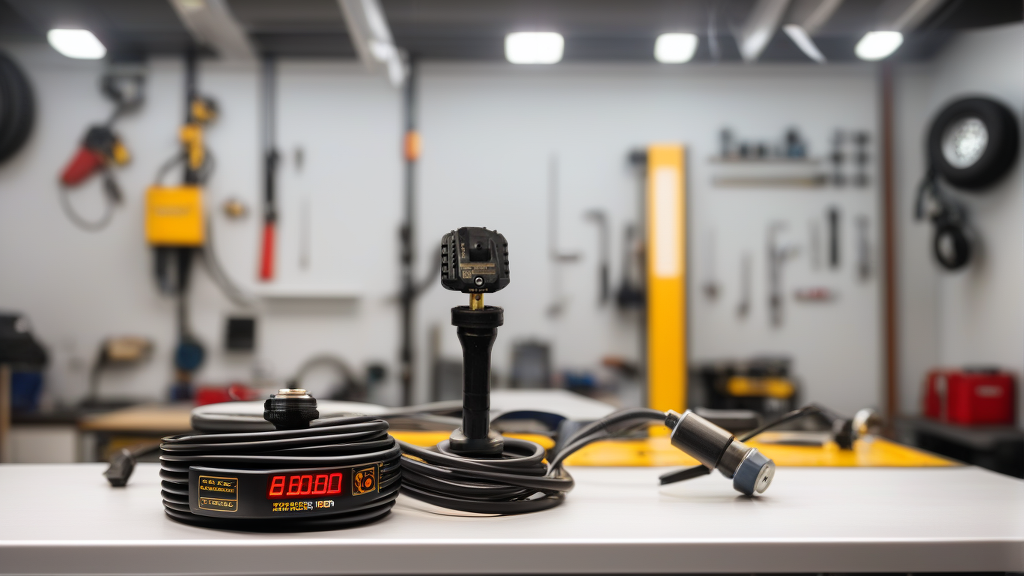
Why COS PRO Vehicles Need a Specific TPMS Sensor
COS PRO is a commercial vehicle brand under the Changan umbrella, used mainly in light trucks, vans, and passenger vans. Like many modern Chinese-market vehicles, COS PRO models use a 433MHz TPMS system. The sensor communicates tire pressure and temperature data to the vehicle’s ECU, and if the wrong frequency or programming is used, the sensor won’t sync—meaning the TPMS light stays on and the system won’t alert you to low pressure.
The most common failure point we see is a sensor with a dead battery. Since TPMS sensors are sealed units, the only fix is replacement. Using a pre-programmed sensor that matches the original OE numbers saves you the cost and hassle of a separate programming tool.
What to Check Before Ordering a COS PRO TPMS Sensor
Before you hit “buy,” confirm these three things. Missing any one of them usually results in a sensor that won’t work.
1. Frequency: Must Be 433MHz
This sounds obvious, but some COS PRO models from certain regions use 315MHz sensors. Check the old sensor’s label. If you can’t read it, use a TPMS trigger tool to scan the sensor—it will show the frequency. The vast majority of COS PRO vans (including the 2020+ models) run 433MHz, but double-check if you’re working on an older import.
2. OE Part Number Match
The three most common OE numbers for COS PRO and its sibling brands are:
- 3601010BK01
- 3601010MK01
- 3601010MK51
These are the exact numbers stamped on the original Baolong (BH-Sens) sensors. If your vehicle uses one of these, a pre-programmed sensor like the BL-ST-042 | BH-Sens 433MHz TPMS Tire Pressure Sensor is a direct swap. No programming tool needed—install and drive.
3. Clamp-in vs. Snap-in
All COS PRO factory sensors are clamp-in (metal valve stem secured with a nut from inside the rim). Snap-in sensors (rubber valve stem) will not fit the valve hole in COS PRO rims. The BL-ST-042 is a clamp-in design, so it matches the factory spec.
Fitment Table: COS PRO and Compatible Models
| Vehicle Brand | Model Examples | Sensor OE Numbers | Frequency | Sensor Type |
|---|---|---|---|---|
| COS PRO | V22, V26, V35, V39 | 3601010BK01, 3601010MK01, 3601010MK51 | 433MHz | Clamp-in |
| Changan | Star 9, Star 5, Van | 3601010BK01, 3601010MK01 | 433MHz | Clamp-in |
| Kaicene | Ruixing M80, Ruixing S50 | 3601010MK01, 3601010MK51 | 433MHz | Clamp-in |
| Oshan | X7, Cosai, A600 | 3601010BK01, 3601010MK01 | 433MHz | Clamp-in |
Note: This table covers the most common 24-volt systems. If your vehicle uses a 12-volt system, verify compatibility—most COS PRO commercial vans are 24V.
B2B Bulk Buying Notes: What Wholesale Buyers Must Know
If you’re buying TPMS sensors in bulk for a workshop, fleet, or distribution, here’s what matters beyond the sensor itself.
Consistency in Programming
Sensors sourced from the same batch should have identical frequency and OE programming. The BL-ST-042 is pre-programmed to match all three OE numbers listed above. That means one SKU covers multiple models—good for inventory management. But verify with your supplier that the batch you receive hasn’t been re-programmed to a different OE number. Some suppliers mix stock.
Packaging and Labeling
When buying bulk, each sensor should arrive in a sealed bag with a clear label showing the frequency, OE numbers, and date code. This is critical for traceability. If you’re reselling, your customers need that information to confirm fitment without opening the package.
Quantity Discounts and MOQs
Minimum order quantities vary. For a single workshop, 10–20 sensors per order is typical. For fleet maintenance, consider ordering 50–100 to cover a full van fleet. Ask your supplier about “expiration dating”—TPMS sensor batteries have a shelf life of about 5 years from manufacture. Don’t stock more than you can sell in two years.
Return Policy on Electronics
Sensors are electronic components. Bulk buyers should confirm the return policy for defective units. A common standard is a 1–2% defect rate allowance. Anything higher should trigger a batch inspection.
Recommended Part for COS PRO TPMS Replacement
For COS PRO, Changan, Kaicene, and Oshan vehicles, the BL-ST-042 | BH-Sens 433MHz TPMS Tire Pressure Sensor is a reliable OE-match replacement. It’s pre-programmed, clamp-in, and covers the three most common OE numbers. Fit it and drive—no programming tool needed for standard installs.
FAQ
Can I install a COS PRO TPMS sensor myself, or do I need a shop?
You can install it yourself if you have a tire machine. The sensor clamps into the valve stem hole and is secured with a nut from inside the rim. After installation, you need to drive the vehicle at speeds above 20 mph for about 5–10 minutes to allow the sensor to auto-learn to the vehicle’s ECU. No TPMS tool is required for pre-programmed sensors.
How do I know if my COS PRO uses a 433MHz or 315MHz sensor?
Check the label on the old sensor. If it’s unreadable, use a handheld TPMS trigger tool (like an Autel TS508 or similar) to scan the sensor. The tool will display the frequency. Alternatively, look up your vehicle’s VIN with a dealer parts department—they can confirm the frequency based on the production date.
What’s the difference between OE number 3601010BK01 and 3601010MK01?
The numbers reference different production batches and slight valve stem length variations. Both are 433MHz, clamp-in, and interchangeable for fitment. The BL-ST-042 covers all three OE numbers, so you don’t need to worry about which exact suffix you have.
How long do BH-Sens TPMS sensors last in COS PRO vehicles?
The battery life is typically 5–7 years from the date of installation, depending on driving conditions and ambient temperature. If you’re replacing a sensor that’s 4+ years old, it’s good practice to replace all four at once to avoid staggered failures.