
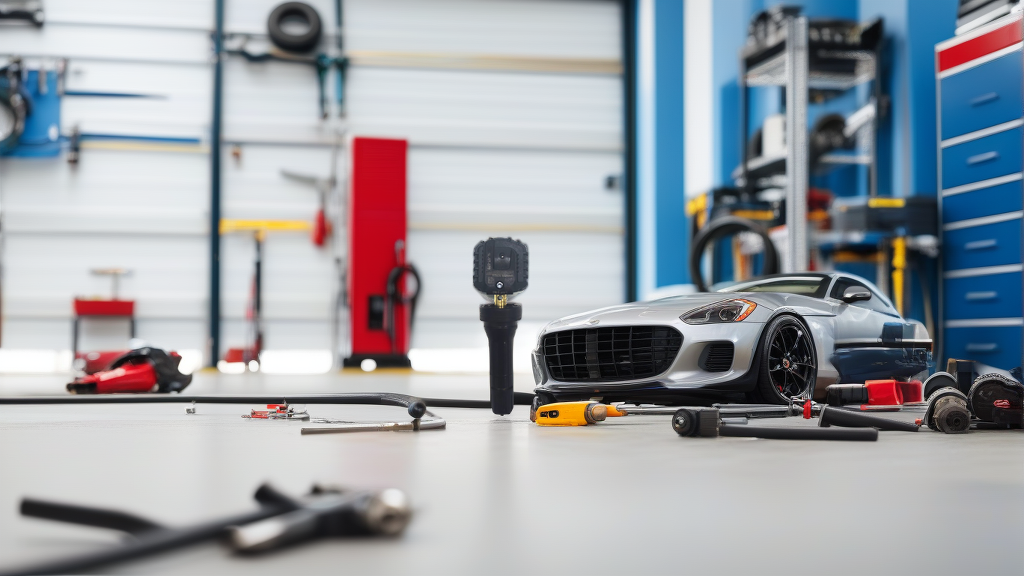
Why RCZ TPMS Installation Is Tricky
The RCZ is a sporty coupe from Peugeot, and like many PSA group vehicles (Citroen, DS, Peugeot), its TPMS system uses clamp-in sensors with a metal valve stem. The system is direct — meaning each wheel has a sensor transmitting pressure and temperature data. If you’re replacing or installing sensors on an RCZ, you’re working with 433MHz frequency sensors that must be physically compatible with the vehicle’s receiver.
The BH-Sens BL-ST-079 (OE numbers 9802003680, 9811536380, ZQ81238680) is a pre-programmed clamp-in sensor that fits the RCZ. It comes ready to pair with the vehicle’s ECU — no cloning or additional programming is needed for most RCZ model years. But even a perfect sensor fails if installed wrong.
Correct Installation Torque Specs for RCZ TPMS Sensors
The clamping nut on an RCZ TPMS sensor is plastic or composite. Over-tightening is the #1 killer of these sensors.
| Component | Torque Range | Tool | Notes |
|---|---|---|---|
| Sensor clamping nut | 6–8 Nm (4.4–5.9 lb-ft) | Torque wrench with crow’s foot or dedicated TPMS socket | Never exceed 8 Nm. Hand-tighten + 1/4 turn max if no torque wrench available. |
| Valve stem core | 0.5–1.2 Nm (4–10 in-lb) | Valve core tool | Snug only. Over-tightening damages the seal. |
| External metal cap | Hand-tight | Fingers only | Never use pliers — distorts the cap and traps moisture. |
Why this matters: The RCZ’s aluminum wheel bores are precise. If you torque the nut to 12 Nm (common with impact wrenches), you will crack the sensor body. That means a leak, a dead sensor, and a repeat job. Always use a torque wrench set to 6.5 Nm as a sweet spot.
Valve Stem Service — Don’t Skip These Steps
When installing a new TPMS sensor, you’re also servicing the valve stem assembly. On the RCZ, the valve stem is integrated into the sensor (clamp-in design). Here’s what to do:
- Replace the valve stem core — Even if the new sensor comes with a core, install a fresh one. Old cores corrode and leak.
- Lubricate the seal — Use a drop of dish soap or silicone-based rubber lubricant on the rubber grommet that sits between the sensor and the wheel rim. This prevents twisting and tearing when tightening.
- Check the wheel bore — Clean any rust or debris from the valve hole. A burr or sharp edge will cut the sensor grommet and cause a slow leak.
- Torque the nut slowly — Use a cross-pattern if you’re tightening multiple sensors. Go in increments: hand-tighten, then torque to 6 Nm, then final check at 7 Nm.
Pro tip: After installation, inflate the tire to 40 PSI and spray soapy water on the valve stem base. Any bubbles mean the seal is compromised — back off the nut and re-torque.
Common Installation Mistakes (and How to Avoid Them)
1. Using an Impact Wrench
Even a low-torque impact gun can overshoot 8 Nm in milliseconds. The RCZ sensor housing is plastic. One hit with an impact tool and you’ve got a cracked sensor. Always use a hand torque wrench.
2. Mixing Up Sensor Positions
The RCZ’s TPMS system learns sensor IDs automatically after a short drive (auto-relearn). But if you install sensors in the wrong wheels (e.g., left-front sensor in right-rear), the system will show pressure for the wrong corner until it relearns. To avoid confusion, label each sensor with its intended wheel position before mounting.
3. Over-Tightening the Valve Stem Cap
Metal caps are common on aftermarket sensors. If you crank them down with pliers, they seize onto the valve stem. Next time you check pressure, you’ll twist the entire stem and damage the sensor. Hand-tight only.
4. Ignoring the Grommet
The rubber grommet that seals the sensor to the rim is a one-time-use part on many sensors. Reusing an old grommet causes leaks. The BH-Sens BL-ST-079 includes a fresh grommet — use it. If you’re reusing an old sensor, always replace the grommet and nut.
5. Forgetting the TPMS Relearn Procedure
After installing new sensors on an RCZ, the car needs to learn their IDs. For most RCZ models (2009–2015), the procedure is:
- Drive above 25 mph for 5–10 minutes.
- The TPMS warning light will blink then go solid once learned.
- If it doesn’t clear, you may need a TPMS tool to trigger each sensor (most tire shops do this for free).
Recommended Part for RCZ TPMS Replacement
If you’re replacing sensors on an RCZ, the BL-ST-079 | BH-Sens 433MHz TPMS Tire Pressure Sensor | Fits Aeolus, Citroen, Ds, Peugeot | OE# 9802003680, 9811536380, ZQ81238680 is a direct-fit option. It’s pre-programmed to OE frequency (433MHz) and matches the original Peugeot/Citroen/DS part numbers. No programming needed — install, torque correctly, and drive.
The sensor is clamp-in, so it fits steel or alloy wheels without adapters. Just ensure your RCZ uses the standard valve hole (11.3 mm diameter) — which it does.
FAQ
Can I use a universal TPMS sensor on my RCZ?
Yes, but only if it’s pre-programmed to 433MHz and clamp-in. Universal sensors that require programming with a tool can work, but the BH-Sens BL-ST-079 is already configured for PSA vehicles, saving you a trip to a tire shop. Avoid band-type or snap-in sensors — the RCZ uses clamp-in only.
What happens if I over-torque the TPMS sensor nut?
Over-torquing (above 8 Nm) will either crack the plastic sensor housing or strip the threads on the aluminum wheel. Both result in a leak and sensor failure. You’ll need to replace the sensor and possibly repair the wheel bore. Always use a torque wrench.
How do I know if my RCZ uses 433MHz or 315MHz sensors?
The RCZ sold in Europe, Asia, and most global markets uses 433MHz. North American models (rare for RCZ) use 315MHz. Check your owner’s manual or look at the original sensor — the frequency is printed on the housing. If in doubt, buy the 433MHz version, as it covers 99% of RCZ applications.
Do I need to replace the valve stem every time I change a TPMS sensor?
Yes — the valve stem is part of the sensor assembly on clamp-in sensors. When you install a new sensor, the stem and seal are new. If you’re reinstalling an old sensor, always replace the rubber grommet and the valve core. These parts degrade from heat and ozone over 2–3 years.