
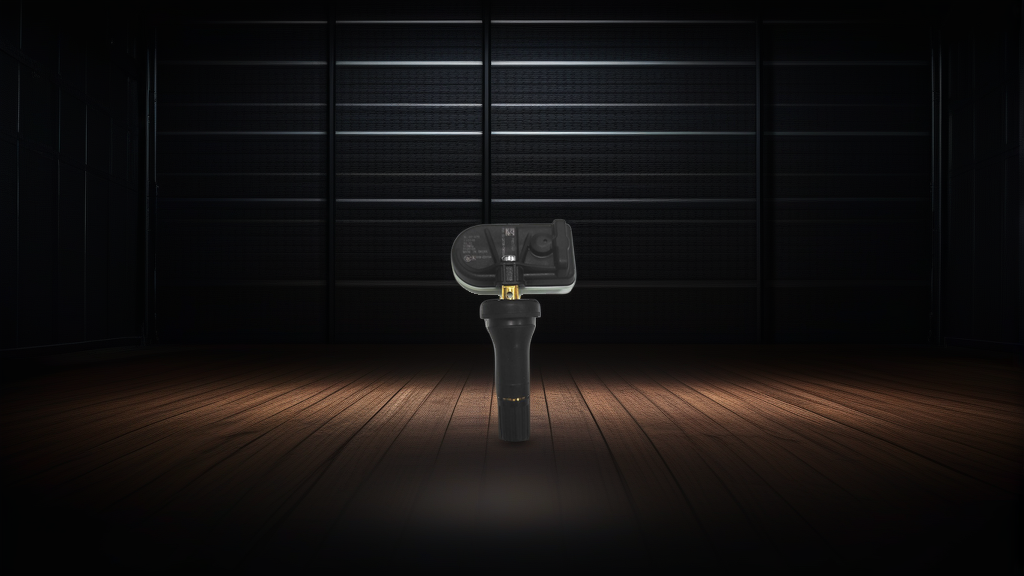
Why Torque Specs Matter for Roewe TPMS Sensors
Roewe vehicles share TPMS platforms with many GM-based platforms. The BL-ST-072 sensor (OE# 12768826, 13516164) is a direct replacement for many Roewe models. Incorrect torque during installation is the #1 cause of premature sensor failure. A sensor that’s too loose can leak air; one that’s too tight can crack the plastic housing or strip the valve stem threads.
Recommended Torque Settings
| Component | Torque Range | Notes |
|---|---|---|
| Sensor retaining nut | 4–6 Nm (35–53 in-lbs) | Hand-tighten, then use a torque wrench. Never use an impact driver. |
| Valve stem core | 0.3–0.5 Nm (3–4 in-lbs) | Snug only. Over-tightening deforms the rubber seal. |
| Valve stem cap | Hand-tight | Metal caps can seize; use plastic OEM-style caps. |
| Wheel lug nuts | 110–140 Nm (per vehicle manual) | Re-torque after 50 km (30 miles) of driving. |
Valve Stem Service: Don’t Skip the Seal
The BL-ST-072 sensor uses a rubber grommet and metal washer to seal against the wheel. Common mistakes include:
- Reusing old grommets – After removal, the rubber is compressed and may not reseal. Always replace the grommet and washer when installing a new sensor.
- Cross-threading the valve stem – The sensor nut is fine-threaded. Start it by hand. If resistance is felt, back it out and realign.
- Forgetting the valve core – A new valve core should be installed with every sensor. Old cores can leak or fail within months.
Three Most Common Installation Mistakes on Roewe Vehicles
1. Using the Wrong Frequency
Roewe models typically use 315MHz TPMS sensors, but some newer models (post-2018) may use 433MHz. The BL-ST-072 operates at 314.9/315MHz. Always verify your vehicle’s frequency before ordering. If you’re unsure, check the OE part number on your old sensor.
2. Overtightening the Sensor Inside the Tire
Technicians often tighten the sensor nut by “feel.” This leads to cracked sensor housings or bent valve stems. Use a torque wrench set to 5 Nm. The difference between “tight” and “too tight” is less than one full turn.
3. Ignoring the Tire Pressure Monitoring System Relearn Procedure
After installing a new sensor, your Roewe requires a TPMS relearn. The process varies by model year:
- 2010–2015 models: Use a TPMS activation tool at each sensor in sequence (LF, RF, RR, LR). The horn chirps to confirm.
- 2016+ models: Some support auto-relearn after driving above 25 km/h for 10 minutes. If not, use the tool method.
Skipping the relearn means the new sensor won’t communicate with the vehicle’s ECU.
Recommended Part
For a direct-fit replacement on your Roewe (Roewe), use the BL-ST-072 | BH-Sens 314.9, 315MHz TPMS Tire Pressure Sensor | Fits Brilliance, Buick, Cadillac, Chevrolet, Gmc & 3 More | OE# 12768826, 13516164, 13540604. This BH-Sens TPMS sensor matches OE specifications from multiple GM-based platforms, ensuring compatibility with your Roewe’s existing system. It comes pre-programmed at 315MHz and includes the necessary grommet and washer.
FAQ
Can I install a BL-ST-072 sensor on any Roewe model?
Only if your Roewe uses a 315MHz TPMS system. Check your vehicle’s build date and original sensor part number. This sensor fits most Roewe models from 2009–2018, but always verify frequency and sensor ID compatibility before purchase.
How do I know if my Roewe needs a TPMS relearn after sensor replacement?
If the tire pressure warning light stays on after driving for 15 minutes, you need to perform a relearn. Most Roewe models require an activation tool. Without the relearn, the system won’t recognize the new sensor’s ID.
What happens if I over-torque the TPMS sensor nut?
Over-torquing can crack the sensor housing, causing internal damage or air leaks. The valve stem may also bend, leading to a slow leak that’s hard to detect. Always use a torque wrench and follow the 4–6 Nm spec.
Should I replace the valve stem when installing a new TPMS sensor?
Yes. Always install a new valve stem and valve core. Old stems can corrode or crack, causing air loss. The grommet and washer included with the BL-ST-072 are designed for one-time use only.