
Why Winter Tire Swaps Demand Extra TPMS Attention
If you drive an ORLANDO, you’ve likely experienced the cold-morning tire pressure warning. It’s not a defect—it’s physics. But winter tire swaps add another layer: you’re either moving your existing TPMS sensors to new wheels or fitting a second set of sensors on dedicated winter rims. Either way, mistakes here cost time and money.
ORLANDO vehicles typically use direct TPMS (sensors inside each wheel), not indirect systems. That means every wheel must have a working sensor, and the car must recognize it. Skipping a sensor or using the wrong frequency can trigger a dashboard light that won’t go away until the sensor is replaced or reprogrammed.
Pressure Changes: What ORLANDO Owners Will See
Here’s the hard number: for every 10°F drop in ambient temperature, tire pressure decreases by about 1 psi. If you set your tires to 35 psi at 70°F in your garage, then drive outside into 20°F weather, that’s roughly a 5 psi drop. Most ORLANDO models trigger the TPMS warning below 25% of the recommended pressure—often around 26–28 psi.
What to do:
- Inflate cold tires to the door-sticker pressure, not higher. Overinflating for “winter grip” is a myth—it reduces contact patch.
- Expect the light to come on after a sudden cold snap. It’s normal. Top off pressure and reset the system per your owner’s manual.
- If the light stays on after refilling, suspect a failing sensor. ORLANDO models from certain years use 433MHz sensors—confirm yours before buying a replacement.
Storage Tips for Summer Wheels with TPMS Sensors
You have two options: store the summer wheels with sensors installed, or remove sensors. Unless you’re mounting the sensors on winter wheels, leave them in the summer wheels. Here’s why:
- Removing and reinstalling sensors risks damaging the valve stem or seal—especially on clamp-in sensors. Each removal costs labor and a new seal kit.
- Storing sensors inside the wheel protects them from physical damage. Stack wheels flat (tire on tire), not standing upright. Upright storage puts weight on the sensor housing.
- Keep the storage area between 40°F–80°F. Extreme cold can weaken the sensor battery, and extreme heat accelerates battery drain.
One more thing: If you store wheels in a garage or shed that freezes, the sensor’s internal battery still drains faster. Expect a typical TPMS battery life of 5–7 years. If your ORLANDO’s sensors are over 5 years old, consider replacing them during the swap—it saves a trip back to the shop mid-winter.
Choosing the Right Replacement Sensor for ORLANDO
Not all TPMS sensors are created equal. ORLANDO vehicles often use 433MHz sensors, and the factory-fitment OE numbers include 3601010CD01, 3601010DG01, and 3601010MK02. When you need a direct replacement, look for a pre-programmed, clamp-in sensor that matches these numbers.
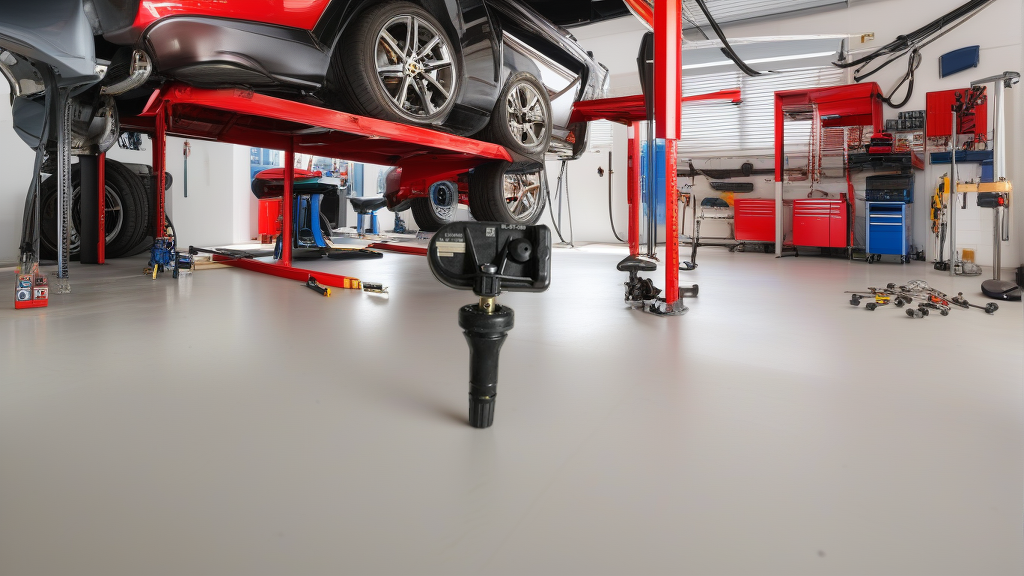
The BL-ST-089 | BH-Sens 433MHz TPMS Tire Pressure Sensor | Fits Avatr, Changan, Deepal, Mazda, Nevo & 1 More | OE# 3601010CD01, 3601010DG01, 3601010MK02 from BH-Sens (Baolong Technology) covers that exact fitment. It’s pre-programmed, so no need for a separate programming tool—install it, and the vehicle should auto-learn it after a short drive. This sensor also fits Avatr, Changan, Deepal, Mazda, and Nevo models, which means it’s widely used across multiple platforms. If you’re sourcing for a fleet or multiple vehicles, this single SKU simplifies inventory.
Fitment Compatibility Table
| Vehicle Brand | Compatible Models | OE Reference | Frequency |
|---|---|---|---|
| ORLANDO | Various years with direct TPMS | 3601010CD01, 3601010DG01, 3601010MK02 | 433MHz |
| Avatr | Select models | 3601010CD01 | 433MHz |
| Changan | CS-series, UNI-series | 3601010DG01 | 433MHz |
| Deepal | SL03, S7 | 3601010MK02 | 433MHz |
| Mazda | CX-5, Mazda6 (certain trims) | 3601010MK02ED01 | 433MHz |
| Nevo | Electric/hybrid models | 3601010CD01 | 433MHz |
Always double-check your ORLANDO’s specific year and trim—some early models may use 315MHz sensors. The easiest way: look at the original sensor’s label or check with your dealer.
Step-by-Step: Winter Tire Swap with TPMS
- Confirm sensor condition. Before mounting winter tires, test each sensor with a TPMS tool. Replace any with dead batteries or erratic readings.
- Install sensors in winter wheels. If you bought dedicated winter rims, install the sensors (clamp-in type) with new seal kits and valve cores. Torque the sensor nut to spec—usually around 35–40 in-lbs, but check your manual.
- Mount and balance tires. Have the shop note which sensor goes on which wheel position. This avoids confusion during the learning process.
- Install wheels on ORLANDO. Drive for 10–15 minutes above 15 mph to allow the vehicle to auto-learn each sensor ID.
- Verify pressures. Set cold pressure to the door sticker value. If the light doesn’t clear after driving, use a TPMS tool to trigger each sensor manually.
Recommended Part
For a direct-fit replacement that saves time and hassle, use the BL-ST-089 | BH-Sens 433MHz TPMS Tire Pressure Sensor | Fits Avatr, Changan, Deepal, Mazda, Nevo & 1 More | OE# 3601010CD01, 3601010DG01, 3601010MK02. It’s pre-programmed, clamp-in designed, and compatible with the ORLANDO’s 433MHz system. Stock one set for your own vehicle, or keep a few in inventory if you service multiple brands.
FAQ
Can I swap winter tires without TPMS sensors on my ORLANDO?
Technically yes, but the low-pressure warning light will stay on permanently. Some owners accept this, but it means you lose monitoring for both winter and summer sets. Also, if your ORLANDO has a tire pressure monitoring system that triggers a chime or limits certain driver aids, the light will remain active. For safety and convenience, install sensors on both sets.
How do I know if my ORLANDO uses 433MHz or 315MHz sensors?
Check the original sensor’s part number. If it ends in CD01, DG01, or MK02, it’s 433MHz. If you’re unsure, use a TPMS diagnostic tool that reads the sensor frequency. Most ORLANDO models from 2015 onward use 433MHz, but earlier models may vary. When in doubt, buy a programmable sensor that supports both frequencies.
Do I need to reprogram sensors after every tire rotation?
No—TPMS sensors are recognized by their unique ID, not by wheel position. After a rotation, the car will still read each sensor’s pressure correctly, but it may show the pressure from the wrong corner. Most ORLANDO models do not require reprogramming for rotations. However, if you swap winter and summer sets with different sensor IDs, the car will need to learn the new IDs—usually automatically after a short drive.
How long do TPMS sensor batteries last in cold climates?
Expect 5–7 years under normal use. Cold temperatures accelerate battery discharge, but not drastically. If your ORLANDO’s sensors are approaching 6 years old, winter is a good time to replace them—fewer surprises when the temperature drops to -20°F.