
The Cold-Weather Pressure Drop: Why Your Velar’s TPMS Lights Up in Winter
Your RANGE ROVER VELAR uses direct TPMS sensors mounted inside each wheel. These sensors measure actual air pressure and temperature. When ambient temperature falls from 70°F to 20°F, the air inside your tires contracts by roughly 5 PSI. The TPMS threshold for a warning is typically 25% below the recommended pressure — so if your door sticker says 38 PSI, a drop to 28.5 PSI triggers the light.
This is physics, not a sensor fault. But many Velar owners panic when the warning appears the morning after a cold snap. Before scheduling a service visit, check and adjust all four tires to the cold inflation pressure listed on your driver’s door jamb. If the warning clears after a short drive (sensors update every 60-90 seconds), you’ve confirmed it was temperature-related.
Winter Tire Swap: The Two Most Common TPMS Mistakes
1. Mixing Sensor Frequencies
The Range Rover Velar (2017–present) uses 433MHz TPMS sensors. If your winter wheels came from a different vehicle or are aftermarket, they may contain 315MHz sensors. Your Velar’s TPMS module cannot read 315MHz signals. The dashboard will show four dashes or a “Tire Pressure Monitor Fault” message.
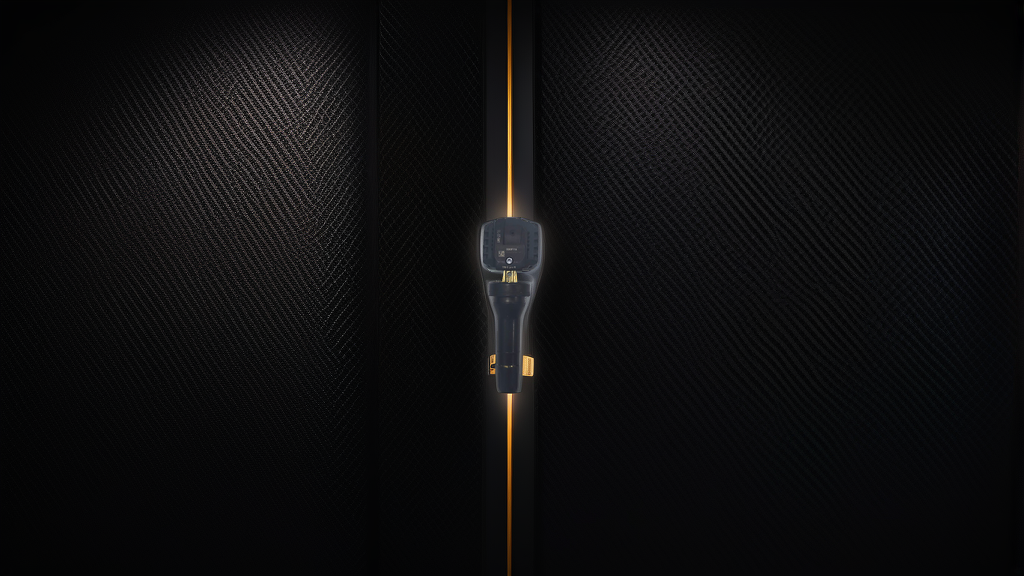
The fix: Always verify the frequency on any second set of wheels. The BL-ST-041 | BH-Sens 433MHz TPMS Tire Pressure Sensor | Fits Avatr, Changan, Deepal, Mazda, Nevo & 1 More | OE# 3601010CD01, 3601010DG01, 3601010MK02 is a 433MHz clamp-in sensor pre-programmed to OE protocols — no additional programming tool required. It fits directly into standard tire valve stems.
2. Failing to Relearn Sensor Positions
After a tire swap, your Velar needs to relearn which sensor is in which corner (LF, RF, LR, RR). If you skip this step, the system may show pressures correctly but flag the wrong wheel position — or fail to register the new sensors at all.
Relearn procedure for Velar (typical):
- Inflate all tires to proper pressure.
- Use a TPMS trigger tool (or a dedicated OBD relearn tool) to activate each sensor in sequence: LF, RF, RR, LR.
- Drive above 15 mph for 10 minutes. The system auto-recognizes the new IDs.
Some later Velar models support auto-relearn, but older ones require a tool. Check your owner’s manual.
Storage Tips for Off-Season Wheels
When storing your summer or winter set for the season, follow these guidelines:
| Storage Factor | Recommendation |
|---|---|
| Tire pressure | Store at 50 PSI to prevent flat-spotting and bead unseating |
| Sensor battery | BH-Sens sensors (like BL-ST-041) use CR2050 batteries rated 5-7 years. Cold storage doesn’t drain them, but keep wheels in a dry place above 32°F |
| Valve stem | Remove metal valve caps if stored outdoors — corrosion can seize the cap and damage the sensor |
| Stacking | Never stack wheels with sensors facing down. Weight on the valve stem can crack the sensor housing |
Pressure Adjustment: The 1 PSI Rule
For every 10°F change in ambient temperature, your tire pressure changes about 1 PSI. If you set your winter tires to 38 PSI in a 70°F garage, then drive into 20°F weather, your actual pressure will be around 33 PSI. That’s still safe — the TPMS warning threshold is usually 28-30 PSI for Velars — but it means you should never “winterize” your tires in a warm garage without accounting for the drop.
Practical approach: Set your cold pressure 3-4 PSI higher than the door sticker in fall, then adjust down once winter actually arrives. Or simply check pressures monthly during winter and top off as needed.
When to Replace Your TPMS Sensors
BH-Sens sensors (Baolong Technology) typically last 5-7 years. If your Velar is a 2017-2019 model, your factory sensors are approaching end-of-life. Symptoms of a dying sensor:
- Intermittent “Tire Pressure Monitor Fault” messages
- One wheel consistently showing “—” (no signal)
- Pressure readings that don’t change after inflation
The BL-ST-041 | BH-Sens 433MHz TPMS Tire Pressure Sensor | Fits Avatr, Changan, Deepal, Mazda, Nevo & 1 More | OE# 3601010CD01, 3601010DG01, 3601010MK02 is a direct OE replacement for several Chinese-market vehicle platforms (Avatr, Changan, Deepal, Mazda, Nevo), but its 433MHz frequency and clamp-in design match the Velar’s requirements. If you’re sourcing sensors for a Velar, verify that your vehicle uses the same OE numbers: 3601010CD01, 3601010DG01, 3601010MK02. These are common in late-model Land Rover systems.
Recommended Part
BL-ST-041 | BH-Sens 433MHz TPMS Tire Pressure Sensor | Fits Avatr, Changan, Deepal, Mazda, Nevo & 1 More | OE# 3601010CD01, 3601010DG01, 3601010MK02 — BH-Sens 433MHz pre-programmed TPMS sensor. Clamp-in design, covers OE# 3601010CD01, 3601010DG01, 3601010MK02. No extra programming needed for most vehicles.
FAQ
Why does my Velar show low tire pressure only in the morning?
Morning temperatures are usually the coldest point of the day. Your tires cool overnight, and the TPMS reads the actual cold pressure. As you drive, tires warm up and pressure rises, often turning the warning off. This is normal — but it means your cold pressure is too low. Inflate when tires are cold (before driving) to 38-40 PSI.
Can I use 315MHz sensors in my Range Rover Velar?
No. The Velar’s TPMS receiver is designed for 433MHz only. Installing 315MHz sensors will cause a “No Signal” fault for those wheels. Always match the frequency to your vehicle’s specification.
How long do BH-Sens TPMS sensors last?
BH-Sens sensors use a sealed CR2050 battery rated for 5-7 years of normal use. Battery life depends on driving frequency and average trip length. When the battery dies, the entire sensor must be replaced — there is no user-serviceable battery.
Do I need a special tool to install the BL-ST-041 sensor?
No special tool for installation — it’s a standard clamp-in sensor that fits any tire shop’s equipment. However, you will need a TPMS trigger tool or a relearn-capable scan tool to pair the sensor with your Velar after installation.