
Start With the Light’s Behavior
Two patterns tell you where to look before you touch a tool.
Steady light: the system is communicating and simply reporting low pressure, or a sensor is reporting a value below the threshold. This is a pressure or sensor-reading problem, not a communication problem.
Flash for roughly a minute, then solid: on most vehicles in this family, that sequence means a system fault — a sensor that isn’t learned, a sensor that stopped transmitting, or a receiver that can’t hear it. A flashing-then-solid light with correct tire pressures is your cue to scan, not to inflate.
The Causes, In the Order You Should Check Them
1. Real pressure loss
Start boring. A nail, a bead leak, a leaking valve stem, or simply a 20°F temperature drop can pull a tire below threshold. Cold mornings triggering the light once and never again is normal physics, not a sensor fault.
2. Sensor battery at end of life
This is the most common long-term cause. TPMS sensor batteries are sealed into the unit and typically last somewhere in the 5–10 year range. They don’t die cleanly — they fade.
3. Lost sensor ID or failed relearn
Any wheel swap, tire rotation, sensor replacement or dead 12V battery can drop a sensor ID from the module’s memory. A physically healthy sensor with no registered ID looks exactly like a dead one to the dash.
4. 433 MHz signal interference
The system shares its frequency band with key fobs, gate openers, weather stations, aftermarket TPMS displays and cheap switching electronics. This is the most misdiagnosed cause.
5. Receiver or wiring fault
Real, but rare. Don’t start here — start here and you’ll replace a module to fix a $30 sensor.
| What you see | Most likely cause | Next step |
|---|---|---|
| Steady light, gauge confirms one tire low | Slow leak or cold weather | Inflate, recheck in 3 days |
| All pressures correct, light returns within minutes of reset | Dead sensor battery or failed learn | Scan sensor ID and battery status |
| Dashes or 0 psi on one wheel, other three normal | Unresponsive sensor | Replace and relearn |
| Different wheels drop out at the same spot each day | 433 MHz interference | Unplug aftermarket electronics |
| Flash ~1 minute then solid, no sensor IDs found | Receiver, antenna or wiring | Check module power and ground |
Dead Sensor Battery Symptoms in Detail
A dying sensor rarely dies all at once. Watch for these:
- Intermittent dropout that gets more frequent. The wheel reads fine parked, then vanishes while driving. Battery voltage sags under temperature load.
- Cold-morning-only warnings. A weak battery plus a cold night is the classic first symptom, often months before total failure.
- One wheel consistently blank. Three wheels reading normally and one showing dashes is a sensor problem, not a module problem.
- The light returns immediately after every reset. If you can clear it and it’s back in five minutes with correct pressures, the module isn’t hearing that sensor at all.
- A scan tool that shows no ID or no live pressure for that corner. That’s the confirmation — physical inspection of the valve stem won’t tell you anything.
One more thing: many clamp-in sensors are serviceable in the sense that the valve core, stem seal and nut can be renewed, but the battery cannot. Once it’s flat, the sensor assembly is replaced.
Diagnosing 433 MHz Signal Interference
Interference has a signature: it’s location-dependent and time-dependent, not wheel-dependent.
Work through it in this order:
- Note the pattern. Do the same wheels drop out at the same intersection, parking garage or stretch of highway every day? Does the system recover when you park somewhere else? That’s interference, not hardware.
- Unplug aftermarket electronics one at a time. Dash cams, USB chargers, inverters, LED strip lighting, aftermarket alarms and remote starters are the usual suspects. Test-drive after each removal.
- Check the wheels themselves. Metallic valve caps, clip-on wheel covers, tire sealant that has pooled around the sensor, and packed ice or snow in the wheel well can all degrade the signal.
- Test with a known-good scan tool outside the vehicle. If a bench-style tool reads all four sensors cleanly from a foot away but the car can’t, the problem is in the vehicle’s receiver path.
- Watch for paired failures. If two sensors on the same axle drop out together, suspect the receiver, antenna or a wiring issue rather than two simultaneous battery failures.
Fitment and Specs
| Item | Detail |
|---|---|
| Brand | BH-Sens (Baolong Technology) |
| SKU | BL-ST-039 |
| Frequency | 433 MHz |
| Type | Clamp-in, pre-programmed |
| OE references | E300019160, E300020260, H56A7920001AC |
| Compatible platforms | Aeolus, Eπ, Mhero, Nammi, Voyah |
“Pre-programmed” means the sensor is already loaded with the correct protocol and frequency for these platforms — it does not mean the car learns it automatically. A scan tool still has to write the sensor ID into the module, or you need to run the vehicle’s own relearn procedure. Check your vehicle manual or service data for the correct procedure and valve nut torque specification; don’t guess either.
Recommended Part
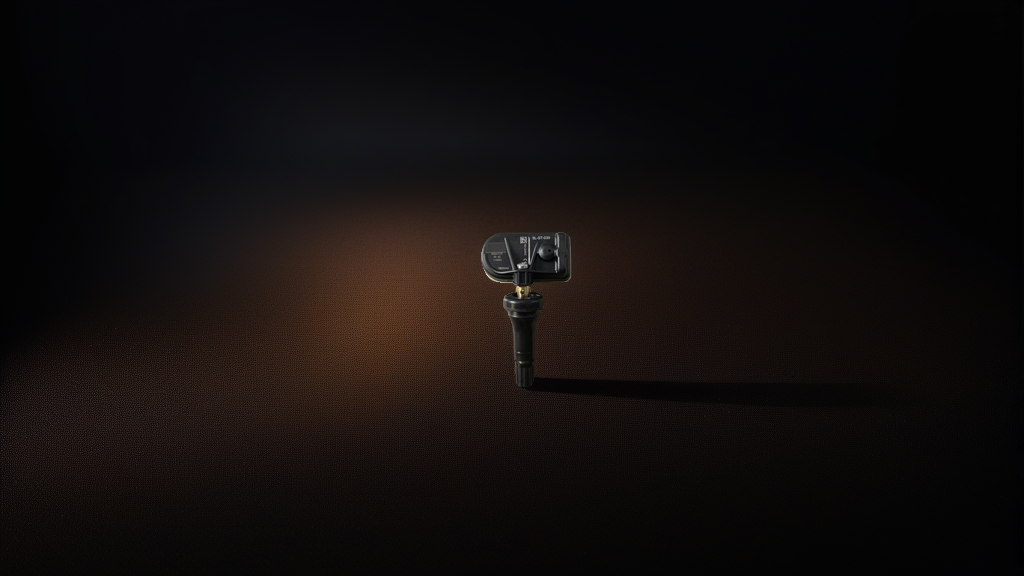
If your diagnosis points to a failed sensor on a 433 MHz platform, BL-ST-039 | BH-Sens 433MHz TPMS Tire Pressure Sensor | Fits Aeolus, Eπ, Mhero, Nammi, Voyah | OE# E300019160, E300020260, H56A7920001AC is a direct-fit replacement for Aeolus, Eπ, Mhero, Nammi and Voyah applications, covering OE references E300019160, E300020260 and H56A7920001AC. It’s a clamp-in, pre-programmed unit, so installation is a mount-and-relearn job rather than a bench programming job.
FAQ
How long should a TPMS sensor battery last?
Most sealed sensor batteries last roughly 5 to 10 years depending on climate, driving frequency and how often the sensor transmits. Hot climates tend to shorten life. If your sensors are original and the car is in that age range, a single failing sensor usually means the others are close behind — replacing all four at once saves you three more rele