
Why LaFerrari TPMS Work Isn’t a Generic Tire Shop Job
The LAFERRARI is a hybrid V12 hypercar with carbon-ceramic brakes, extremely expensive wheels, and low-profile tires that hide leaks until they’re serious. It also spends a lot of its life parked, which is exactly the condition that shortens TPMS sensor battery life and lets slow bead leaks develop.
None of that changes the basic physics of a tire pressure sensor, but it does raise the cost of getting it wrong. A scratched barrel or a cracked sensor stem on a car like this is not a $40 problem. So treat the job like you’re working on precision hardware, because you are.
The LaFerrari uses a direct TPMS system operating in the 433 MHz band. That’s the right category of part to order — but frequency alone is never fitment. You still have to match the OE number on the old sensor or in the parts catalogue.
The Sensor Family: BH-Sens RDE048V21
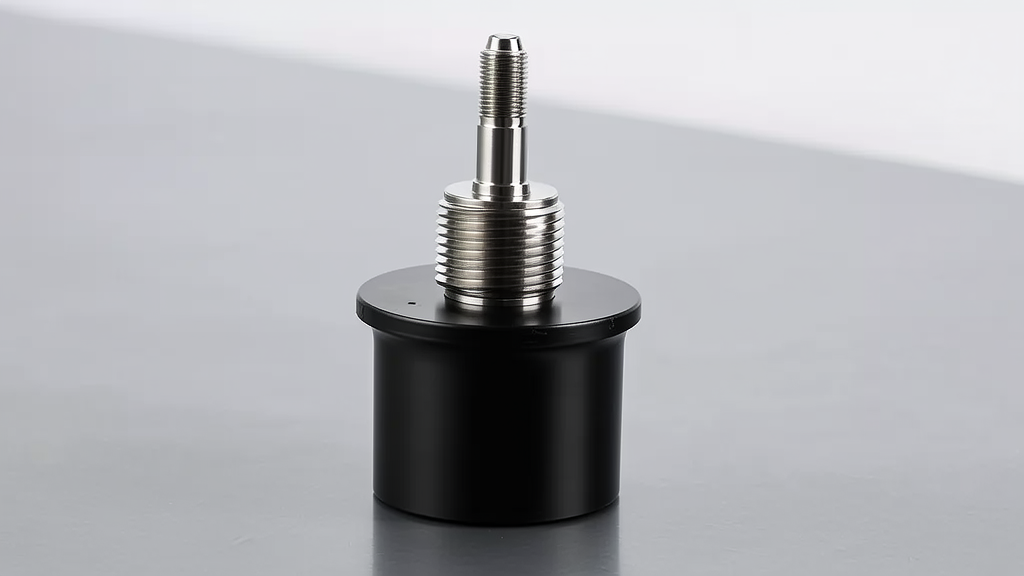
The sensor referenced throughout this guide is a 433 MHz direct-fit service sensor from BH-Sens (Baolong Technology), sold under SKU RDE048V21.
| Spec | Detail |
|---|---|
| Brand | BH-Sens (Baolong Technology) |
| Frequency | 433 MHz |
| SKU | RDE048V21 |
| OE cross-references | 11B0015CP, 11B0022CP, 2000680, 282189, 36236781847, 36236798726, 4F0907275B, 7P0907275, 7PP907275F, 95560602100, 95836166100, 9976060212 |
| Common applications | Aston Martin, Audi, BMW, Bentley, Bugatti, Porsche and others |
| Installation style | Valve-stem mounted, direct TPMS |
Before ordering for any car — LaFerrari included — pull the OE number off the original sensor body or look it up by VIN. A 433 MHz sensor that doesn’t cross to your OE number will physically fit the wheel and still refuse to communicate with the vehicle.
Torque Specs That Actually Matter
This is where most DIY installs and rushed shop jobs go wrong. Nobody strips a stem nut because they torqued it too little.
| Fastener | Typical Range | Notes |
|---|---|---|
| Sensor valve-stem retaining nut | ~4–6 N·m (35–53 in-lb) | Some manufacturers spec up to 8 N·m. Confirm with the sensor supplier. |
| Valve core | ~0.25–0.4 N·m | Use a proper core tool; hand-snug, don’t crank. |
| Valve cap | Hand tight | Nickel-plated caps can gall onto aluminum stems. |
| Wheel bolts / lug nuts | Per vehicle manual (commonly 120–140 N·m on passenger cars) | Torque in a star pattern with a calibrated wrench. Never assume the last shop did it right. |
| Center-lock style fasteners | Per vehicle manual only | These run dramatically higher torque and require a torque multiplier. Do not guess. |
The single most important rule: never run a stem nut down with an impact gun. The nut compresses a rubber grommet against the wheel. An impact gun doesn’t compress it — it chews it. You end up with a sensor that holds air in the shop and leaks two weeks later when the grommet relaxes.
Use a small beam or click-type torque wrench that reads accurately in the 1–10 N·m range. A 1/2″ drive torque wrench that starts at 20 N·m is useless here.
Valve Stem Service: The Part Everyone Skips
The sensor is reusable for years. The rubber and sealing hardware is not. Every time a tire comes off the wheel, the service kit should be replaced: grommet, washer, retaining nut, valve core, and cap.
Why this matters:
- Rubber ages faster than electronics. A grommet that’s been compressed for five years takes a set and won’t reseal properly.
- Tire sealants destroy stems. If the tire has ever had sealant in it, replace the stem hardware and inspect the sensor housing for contamination.
- Corrosion is cumulative. Aluminum wheels and steel nuts galvanically corrode. A nickel-plated stem kit slows this significantly.
- The valve core is a wear item. It’s a $0.50 part that causes a lot of comebacks. Change it.
When you install, lubricate the grommet with the manufacturer-supplied lubricant or a small amount of tire mounting lube — not petroleum jelly, not grease, not rubber cement. Tighten the nut by hand until the grommet seats, then apply the torque wrench. If the sensor body starts to spin, hold it with a proper sensor tool, not pliers.
The Installation Mistakes That Cost the Most
1. Dropping the sensor into the wheel during mounting
The sensor sits inside the drop center. If you mount the tire with the sensor in