
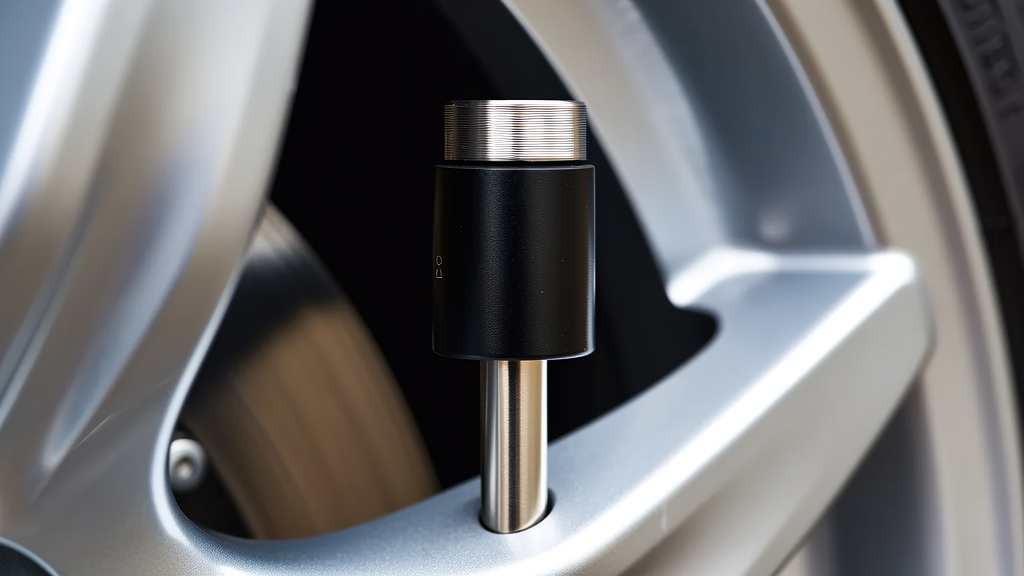
The A-Class uses a direct TPMS system, which means each wheel has a battery-powered sensor mounted to the valve stem. When that sensor dies, leaks, or gets broken during a tire change, the repair is simple — but only if you treat the stem and torque specs correctly. This guide covers what matters in the bay: torque, valve stem service, and the mistakes that turn a 20-minute job into a comeback.
Torque Specs That Matter
TPMS sensor torque is not a “good and tight” situation. The stem nut compresses a rubber or aluminum seal against the wheel. Too loose, it leaks. Too tight, it cracks the sensor housing or deforms the seal.
Most direct TPMS stem nuts fall in a similar range, but A-Class variants can differ by model year and wheel type. Use the table below as a starting point, then confirm the exact value in your service data.
| Item | Typical spec / check point | Notes |
|---|---|---|
| TPMS sensor stem nut | 4–6 Nm (35–53 lb-in) typical range | Verify exact A-Class spec. Over-torque cracks sensor housing. |
| Valve core | Snug only; do not crank | Replace with a new core if leaking or corroded. |
| Valve cap | Hand-tight | Use a cap with a seal. Metal caps can seize without one. |
| Tire pressure | Door jamb placard | Set cold. Do not use max sidewall pressure. |
| Relearn / programming | Follow scan tool procedure | Some A-Class models require OBD relearn or a drive cycle. |
A calibrated torque wrench is not optional here. If you are