
Range Rover Sport TPMS Sensor Installation: Torque Specs, Valve Service & Common Mistakes
Quick AnswerInstalling a TPMS sensor on a Range Rover Sport requires tightening the sensor nut to 4.0-6.0 Nm (35-53 in-lbs) and the valve core to…

Quick AnswerInstalling a TPMS sensor on a Range Rover Sport requires tightening the sensor nut to 4.0-6.0 Nm (35-53 in-lbs) and the valve core to…
Quick AnswerDARGO vehicles share TPMS sensor compatibility with many General Motors platforms, using the 433MHz frequency and OE cross-reference numbers like 13530661, 13533166, and 13538565.…
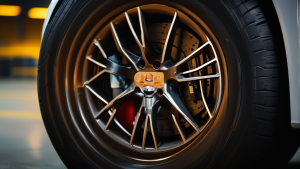
Quick AnswerGHIBLI vehicles require a TPMS relearn after sensor replacement or tire rotation. The three methods are auto relearn (drive at 30–65 mph for 10–20…
Quick AnswerInstalling TPMS sensors on a Porsche MACAN requires a precise torque of 35–40 in-lbs (4–5 Nm) for the clamp-in nut, using a new valve…
Quick AnswerWhen swapping to winter tires on your MEGA vehicle, always use dedicated TPMS sensors for the winter set—like the BH-Sens 433MHz pre-programmed sensor—to avoid…
Quick AnswerThe TPMS warning light on a LAND CRUISER typically activates due to a dead sensor battery (lifespan 5-7 years) or signal interference from aftermarket…

Quick AnswerWhen swapping winter tires on your TERRITORY, always check TPMS sensor compatibility with your new wheels and use a pre-programmed sensor like the BH-Sens…
Quick AnswerFord TPMS sensors like the BH-Sens BL-ST-035 (433MHz) require a specific installation torque of 35–40 in-lbs (4–5 Nm) for the clamp-in valve stem nut.…
Quick AnswerTo choose the correct TPMS sensor for your LAMORE, first confirm your vehicle’s TPMS frequency (most LAMORE models use 433MHz) and verify the OE…

Quick AnswerThe EADO ET requires a TPMS relearn procedure after sensor replacement or tire rotation. You can use either the automatic relearn method (drive above…