
TIGGO E TPMS Sensor: OEM vs Aftermarket – When to Replace with OE vs BH-Sens
Quick AnswerFor a TIGGO E, OEM TPMS sensors (OE# 802000121AA or 802000126AA) are best if your vehicle is still under warranty or you need guaranteed…
Quick AnswerFor a TIGGO E, OEM TPMS sensors (OE# 802000121AA or 802000126AA) are best if your vehicle is still under warranty or you need guaranteed…
Quick AnswerTo relearn TPMS sensors on a 自由者 vehicle, you can use the auto relearn method (drive above 25 mph for 10–20 minutes), an OBD…
Quick AnswerKarry vehicles (including Karry K60, K50, and Youya models) require a TPMS relearn after sensor replacement or tire rotation. The process can be done…
Quick AnswerThe TPMS warning light on a Chery EV usually means one or more tire pressure sensors have a dead battery (lifespan 5-7 years), a…
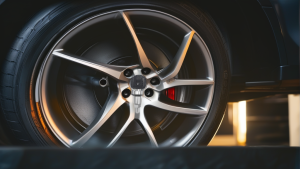
Quick AnswerOn a CRUZE, a persistent TPMS warning light usually means one of two things: the tire pressure sensor’s internal battery has died (common at…
Quick AnswerFor RX vehicles, you need a TPMS sensor that matches the original frequency (usually 433MHz or 315MHz), uses a clamp-in design, and is pre-programmed…

Quick AnswerThe SOLTERRA TPMS warning light typically activates due to a dead sensor battery (lifespan 5-7 years), signal interference from aftermarket electronics, or actual low…
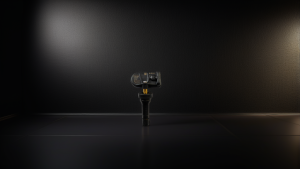
Quick AnswerGHOST vehicles require 4–6 Nm (35–53 in-lbs) torque on clamp-in TPMS sensors to avoid housing cracks or seal leaks. Always replace the valve stem…
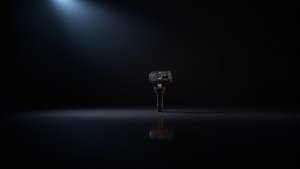
Quick AnswerThe TPMS warning light on a LAND CRUISER typically activates due to a dead sensor battery (lifespan 5-7 years) or signal interference from aftermarket…
Quick AnswerThe 炫界 (Xuanjie) compact SUV uses a 433MHz TPMS sensor system, not 315MHz. Most aftermarket replacements like the BH-Sens BL-ST-074 are pre-programmed to match…