
How to Choose the Right TPMS Sensor for Your E Class: A Practical Buying Guide
Quick AnswerFor an E Class, you need a TPMS sensor that matches your vehicle’s frequency (typically 433MHz) and is either pre-programmed or programmable to your…
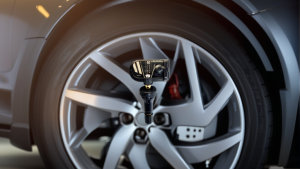
Quick AnswerFor an E Class, you need a TPMS sensor that matches your vehicle’s frequency (typically 433MHz) and is either pre-programmed or programmable to your…
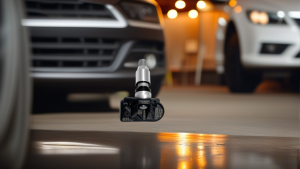
Quick AnswerFor most CAPTUR owners, a quality aftermarket TPMS sensor like the BH-Sens RDE077V21 is the smarter choice because it costs 40–60% less than OEM…
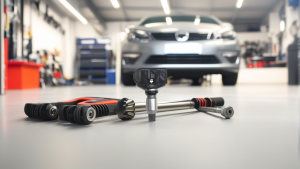
Quick AnswerWhen swapping to winter tires on your GLS CLASS, always install compatible TPMS sensors (like the BH-Sens 433MHz unit) to avoid dashboard warnings. Expect…
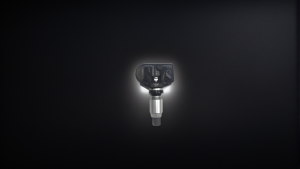
Quick AnswerAfter replacing TPMS sensors on a MINI JCW, you must perform a relearn procedure to sync the new sensor IDs with the vehicle’s ECU.…
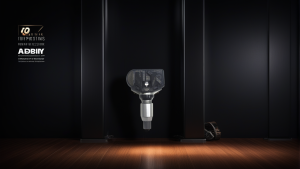
Quick AnswerFor a Land Rover Discovery Sport, you need a 433MHz TPMS sensor that is compatible with your vehicle’s model year (typically 2014–2022). The BL-ST-081…
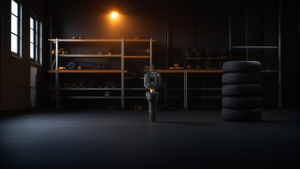
Quick AnswerThe GLK CLASS (2008–2015) uses a 433MHz TPMS sensor that is compatible with BH-Sens BL-ST-048 (OE# 13530661, 13533166, 13538565). However, not all GLK CLASS…
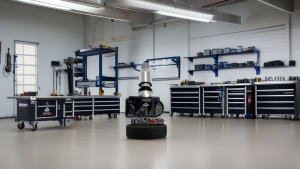
Quick AnswerFor Mercedes-Benz CLA Class models, always torque TPMS sensors to 35-40 Nm (26-30 lb-ft) and use new valve stem components. The most common mistakes…
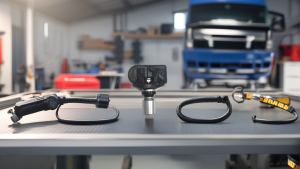
Quick AnswerThe EQV TPMS warning light typically means one of three things: a dead sensor battery (common after 5–7 years), a signal blockage from aftermarket…
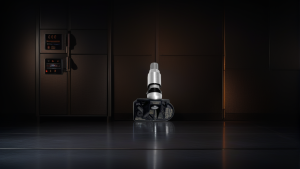
Quick AnswerThe TPMS warning light on a Mercedes-Benz GLE Class typically illuminates due to a dead sensor battery, a faulty sensor, or signal interference. Dead…
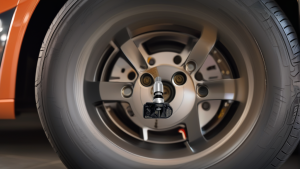
Quick AnswerFor A CLASS vehicles (Mercedes-Benz A-Class and related platforms), the BH-Sens 433MHz TPMS sensor (RDE077V21) operates on the 433MHz frequency band common in European…