
Why Proper TPMS Installation Matters for Aeolus Owners
Aeolus vehicles, part of the Dongfeng Motor Group, use factory TPMS systems that rely on clamp-in sensors like the Aeolus models. Incorrect installation can trigger dashboard warnings, reduce tire life, or even cause sudden air loss. The 433MHz frequency used in these systems is standard across many Chinese-market brands, but the sensor fitment and torque specs are specific to Aeolus designs.
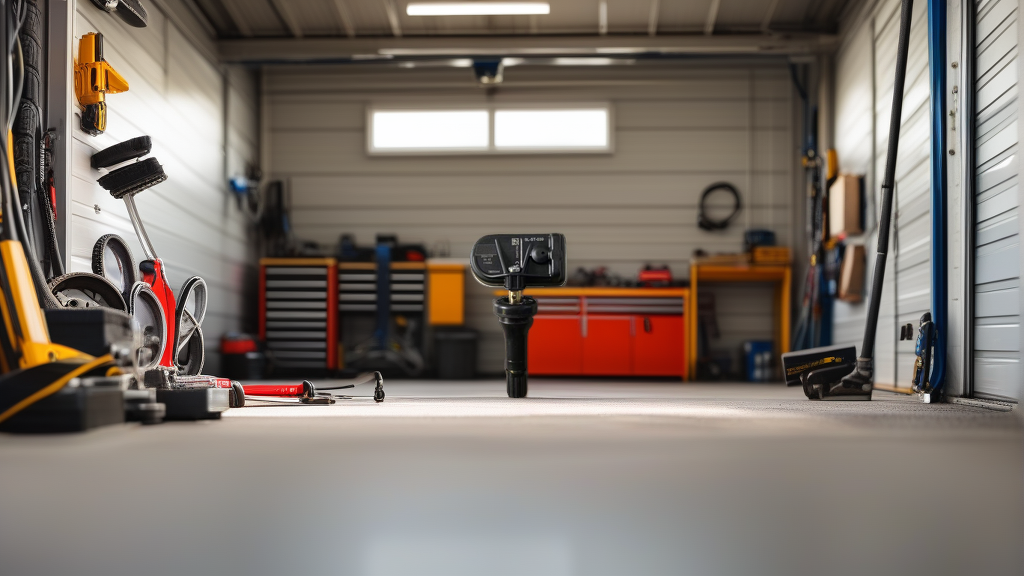
The BL-ST-039 | BH-Sens 433MHz TPMS Tire Pressure Sensor | Fits Aeolus, Eπ, Mhero, Nammi, Voyah | OE# E300019160, E300020260, H56A7920001AC (OE# E300019160, E300020260, H56A7920001AC) is a pre-programmed, clamp-in sensor that directly replaces the original unit. It’s compatible with Aeolus, Eπ, Mhero, Nammi, and Voyah models. Because it’s pre-programmed, you don’t need a TPMS tool to copy IDs — just install and let the car auto-learn.
Installation Torque Specs: The Critical Numbers
Valve Nut Torque
The single most common mistake on clamp-in sensors is over-tightening the valve nut. On Aeolus vehicles, the recommended torque for the sensor-to-valve stem nut is 3-5 Nm (2.2-3.7 ft-lb). Use a torque wrench with a crow’s foot attachment. Hand-tightening plus a quarter turn is not reliable — plastic sensor bodies crack easily.
Sensor-to-Wheel Torque
The clamp-in sensor is secured to the wheel by a metal clamp and nut. For Aeolus OEM wheels, torque this nut to 4-6 Nm (3-4.4 ft-lb). Exceeding 7 Nm risks stripping the aluminum wheel or sensor housing.
| Component | Recommended Torque | Notes |
|---|---|---|
| Valve stem nut (sensor to stem) | 3-5 Nm (2.2-3.7 ft-lb) | Use a torque wrench; plastic body is fragile |
| Clamp nut (sensor to wheel) | 4-6 Nm (3-4.4 ft-lb) | Check wheel material — cast alloys vary |
| Valve core (inside stem) | 0.5-1.0 Nm (4-9 in-lb) | Hand-tight with core tool; do not overtighten |
Always consult your Aeolus owner’s manual or dealer for exact specs. Torque values vary by model year and wheel type.
Valve Stem Service — Don’t Skip This Step
When replacing a TPMS sensor, the valve stem assembly must be serviced. The stem is the weakest leak point on any clamp-in sensor.
- Replace the grommet and seal — The rubber grommet that seals the sensor to the wheel hardens over time. Always install a new one. Part kits are available for the BL-ST-039.
- Check the valve core — A worn core can cause slow leaks. Replace it with a brass or nickel-plated core rated for TPMS.
- Lubricate the seal — Use a silicone-based lubricant on the grommet before installation. Petroleum-based products degrade rubber.
Common Installation Mistakes (and How to Avoid Them)
1. Over-Tightening the Valve Nut
The problem: Plastic sensor bodies crack at the threads, causing a leak that’s hard to diagnose.
The fix: Use a torque wrench. If you don’t have one, tighten until the nut contacts the sensor squarely, then add no more than 15 degrees.
2. Reusing Old Hardware
The problem: Old grommets, nuts, and washers have already deformed. A reused grommet will leak within weeks.
The fix: Always use the hardware included with the new sensor. For the BL-ST-039, the kit comes with a new grommet and nut.
3. Sensor Orientation Errors
The problem: Some Aeolus models have a specific sensor orientation in the wheel well (e.g., the valve stem must point toward the valve hole at a 90° angle).
The fix: Before mounting, dry-fit the sensor in the wheel with the valve stem aligned. Mark the wheel position.
4. Ignoring the Auto-Learn Procedure
The problem: Pre-programmed sensors don’t require ID copying, but the car still needs to recognize the new sensor.
The fix: After installation, drive the vehicle above 25 km/h (15 mph) for 10 minutes. The TPMS module will learn the new sensor ID automatically. If it doesn’t, use a TPMS trigger tool to force a learn cycle.
5. Mixing Sensor Frequencies
The problem: Aeolus uses 433MHz sensors. Using a 315MHz sensor (common on older North American vehicles) will not communicate.
The fix: Verify the frequency on the sensor label. The BL-ST-039 is 433MHz and matches Aeolus, Eπ, Mhero, Nammi, and Voyah systems.
Recommended Part
For Aeolus owners needing a direct replacement, the BL-ST-039 | BH-Sens 433MHz TPMS Tire Pressure Sensor | Fits Aeolus, Eπ, Mhero, Nammi, Voyah | OE# E300019160, E300020260, H56A7920001AC is a pre-programmed 433MHz clamp-in sensor that matches OE# E300019160, E300020260, and H56A7920001AC. It includes the grommet and nut, so you don’t need extra hardware. Installation is straightforward with the torque specs above.
FAQ
Can I install a TPMS sensor without a torque wrench?
Technically yes, but it’s risky. If you don’t have a torque wrench, tighten the valve nut until it’s snug with a small wrench (about the resistance you’d feel when tightening a plastic bottle cap). Then stop. Overtightening is more common than undertightening.
Why does my TPMS light stay on after installation?
Three likely causes: (1) The sensor is not auto-learning — drive at 25+ km/h for 10 minutes. (2) The valve stem is leaking — spray soapy water on the stem base. (3) The sensor is incompatible — check that the OE number matches your Aeolus model.
How long do these sensors typically last?
BH-Sens sensors have a battery life of 5-7 years under normal use. The BL-ST-039 is sealed and non-serviceable. If the battery dies, the entire sensor must be replaced — it’s a common reason for TPMS failure on older Aeolus models.
Can I use this sensor on other brand vehicles?
The BL-ST-039 is designed for Aeolus, Eπ, Mhero, Nammi, and Voyah — all Dongfeng-related brands. It may work on other vehicles with the same frequency (433MHz) and clamp-in design, but the sensor ID and auto-learn protocol may not match. Test before committing.