
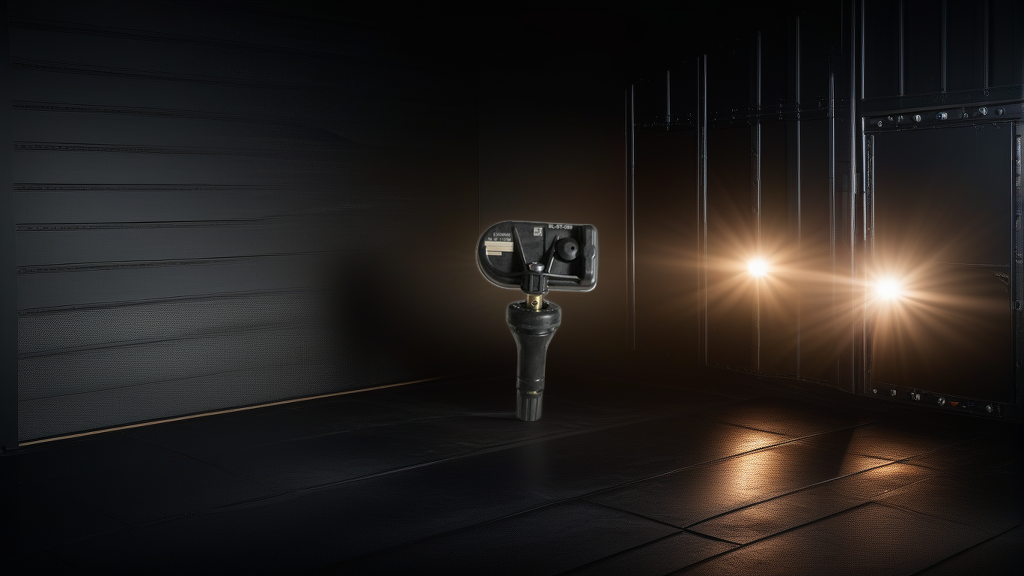
Why Your EADO PLUS TPMS Needs Special Attention During Winter Tire Swaps
The EADO PLUS uses direct TPMS sensors mounted inside each wheel. These sensors measure actual tire pressure and temperature, transmitting data to the car’s ECU. During a winter tire swap, three things commonly go wrong:
- Sensor damage during tire mounting – The clamp-in design can crack if the tire machine lever hits the sensor body.
- Cross-threaded valve stems – Overtorquing the sensor nut strips the aluminum threads.
- Battery drain from cold storage – Leaving sensors in an unheated garage or outdoors accelerates battery discharge.
The BL-ST-089 | BH-Sens 433MHz TPMS Tire Pressure Sensor | Fits Avatr, Changan, Deepal, Mazda, Nevo & 1 More | OE# 3601010CD01, 3601010DG01, 3601010MK02 (BH-Sens 433MHz sensor) is a direct replacement for the OE units found on your EADO PLUS. It’s pre-programmed, so no additional programming tool is required—just install and drive.
Temperature & Pressure: The Physics Your EADO PLUS Sensors Track
Tire pressure follows the ideal gas law: as temperature drops, pressure decreases. For every 10°F drop in ambient temperature, expect a 1 PSI reduction in tire pressure.
| Temperature Change | Pressure Change (Approx.) |
|---|---|
| +10°F (+5.5°C) | +1 PSI |
| -10°F (-5.5°C) | -1 PSI |
| -30°F (-16.7°C) | -3 PSI |
Real-world example for EADO PLUS owners
If you inflated your summer tires to 35 PSI at 70°F (21°C) in October, and the temperature drops to 20°F (-7°C) in January, your TPMS will read approximately 30 PSI. That’s below most EADO PLUS recommended pressures (typically 32–36 PSI cold). The TPMS warning light will illuminate at roughly 25% below the recommended pressure.
Action: Always adjust tire pressure when tires are cold (car parked for 3+ hours). Don’t bleed air after driving—the reading will be falsely high due to heat buildup.
Step-by-Step: TPMS Handling During the Winter Tire Swap
1. Mark Sensor Positions Before Removal
Use a piece of tape on each wheel to note which corner the sensor came from. Some EADO PLUS models store sensor IDs per wheel position—mixing them up won’t cause a warning, but it will show incorrect pressure on the dashboard display.
2. Use Correct Mounting Technique
- Tell your tire shop: “These are clamp-in TPMS sensors. Do not hit the sensor body with the tire machine.”
- The sensor nut torque is typically 35–40 in-lbs (4–5 Nm). Over-torquing strips the stem. Under-torquing causes air leaks.
- Always replace the valve stem seal (rubber gasket) and the metal washer. Reusing old seals is the #1 cause of slow leaks after a swap.
3. Install the BL-ST-089 | BH-Sens 433MHz TPMS Tire Pressure Sensor | Fits Avatr, Changan, Deepal, Mazda, Nevo & 1 More | OE# 3601010CD01, 3601010DG01, 3601010MK02 If Needed
If your existing sensors have dead batteries (typical lifespan 5–7 years), the BH-Sens unit is a direct fit. It uses OE numbers 3601010CD01, 3601010DG01, and 3601010MK02—cross-check with your EADO PLUS’s original part number before ordering.
4. Relearn the Sensors After the Swap
Most EADO PLUS models require a TPMS relearn procedure after sensor replacement or wheel rotation. The procedure varies by year:
- 2019–2021 models: Use a TPMS tool to trigger each sensor in sequence (left front, right front, right rear, left rear).
- 2022+ models: Some can auto-relearn after driving above 15 mph for 10 minutes. Check your owner’s manual.
How to Store Off-Season TPMS Sensors (Summer Tires)
If you keep a dedicated set of summer wheels with sensors, store them properly to extend battery life:
- Temperature: 50–80°F (10–27°C). Avoid freezing garages. Cold increases internal resistance and drains the battery faster.
- Humidity: Below 60% RH. Moisture corrodes the sensor’s circuit board.
- Position: Lay wheels flat or stack them with cardboard between each tire. Never store sensors in direct contact with concrete—it wicks moisture.
- Pressure: Leave tires inflated to 30–35 PSI. This prevents sidewall cracking and keeps the sensor seated.
Recommended Part
If you need a replacement TPMS sensor for your EADO PLUS winter tire setup, the BL-ST-089 | BH-Sens 433MHz TPMS Tire Pressure Sensor | Fits Avatr, Changan, Deepal, Mazda, Nevo & 1 More | OE# 3601010CD01, 3601010DG01, 3601010MK02 is a pre-programmed, clamp-in sensor that works with Changan, Avatr, Deepal, Mazda, and Nevo vehicles. It matches OE specs exactly—no additional programming required.
FAQ
How do I know if my EADO PLUS TPMS sensor battery is dead?
The TPMS warning light will stay on constantly (not flashing), and the dashboard will show “–“ or “0” for tire pressure on one or more wheels. Some models also display a “Tire Pressure Monitoring System Fault” message. Battery life is typically 5–7 years from the sensor’s manufacture date, not the car’s build date.
Can I use the same TPMS sensors on both summer and winter wheels?
Yes, if you have two sets of wheels with sensors installed in both sets. If you only have one set of sensors, you must physically move them between wheel sets each season. This increases the risk of stem damage and seal failure—most owners prefer buying a second set for convenience.
What happens if I ignore the low-pressure warning on my EADO PLUS in winter?
Driving on underinflated tires increases rolling resistance (worse fuel economy), reduces traction (especially on snow/ice), and generates excess heat that can cause a blowout. More critically, the TPMS light is a safety alert—low pressure at cold winter temperatures means the tire is already below the safe operating window.
Do I need to program the BH-Sens sensor before installation?
No. The BL-ST-089 | BH-Sens 433MHz TPMS Tire Pressure Sensor | Fits Avatr, Changan, Deepal, Mazda, Nevo & 1 More | OE# 3601010CD01, 3601010DG01, 3601010MK02 is pre-programmed with the correct frequency (433MHz) and protocol for Changan-based vehicles, including the EADO PLUS. Install it, perform a relearn procedure (if required), and the sensor will begin transmitting immediately.