
SEAL DM-I TPMS Sensor Installation: Torque Specs, Valve Stem Service & Common Mistakes
Quick AnswerInstalling a BH-Sens 433MHz TPMS sensor on a SEAL DM-I requires a torque spec of 35–40 in-lbs (4–5 Nm) for the clamp-in nut, using…
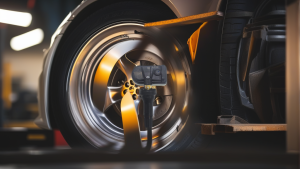
Quick AnswerInstalling a BH-Sens 433MHz TPMS sensor on a SEAL DM-I requires a torque spec of 35–40 in-lbs (4–5 Nm) for the clamp-in nut, using…
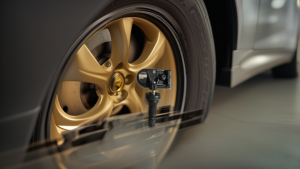
Quick AnswerFor Lamborghini vehicles, the correct TPMS sensor must match the original frequency (typically 433MHz for most models after 2010) and be pre-programmed to the…

Quick AnswerWhen swapping to winter tires on your Forthing, the TPMS sensors must be correctly transferred or replaced with compatible units like the BH-Sens 433MHz…

Quick AnswerFor most RAETON owners, the BH-Sens BL-ST-057 aftermarket sensor (OE# 3601010CD01/3601010DG01) offers identical performance to the OEM Baolong sensor at 40-60% lower cost. Choose…
Quick AnswerThe correct TPMS sensor for your Avatr must match the frequency (433MHz), be pre-programmed for plug-and-play installation, and carry the correct OE number (typically…
Quick AnswerInstalling a TPMS sensor on a RAETON CC requires a clamp-in sensor like the BH-Sens 433MHz unit, torqued to 35–40 in-lbs (4–5 Nm) maximum.…
Quick AnswerThe most common cause of a Mazda TPMS warning light is a dead sensor battery (lifecycle 5–7 years), followed by signal interference from aftermarket…

Quick AnswerThe TPMS warning light on a QIN L DM-I typically illuminates due to a dead sensor battery (lasting 5-7 years), a pressure drop below…
Quick AnswerAfter replacing TPMS sensors on a LAND CRUISER (2008–2021 models), you must perform a relearn procedure to sync sensor IDs with the ECU. The…

Quick AnswerFor a T-CROSS TPMS sensor installation, use a torque wrench set to 35–40 N·m (25–30 lb-ft) for the clamp-in nut, and always replace the…