
Why TPMS Installation Precision Matters for Dodge Owners
Dodge vehicles, from the rugged Ram trucks to the performance-oriented Charger and Challenger, rely on accurate tire pressure monitoring for safety and fuel efficiency. A poorly installed TPMS sensor doesn’t just trigger a warning light—it can cause slow leaks, sensor failure, or even damage to the wheel itself. Whether you’re a DIY owner replacing a dead sensor or a shop tech handling multiple Dodge models, understanding the specific torque requirements and common pitfalls saves time and warranty headaches.
Torque Specs for Clamp-in TPMS Sensors on Dodge
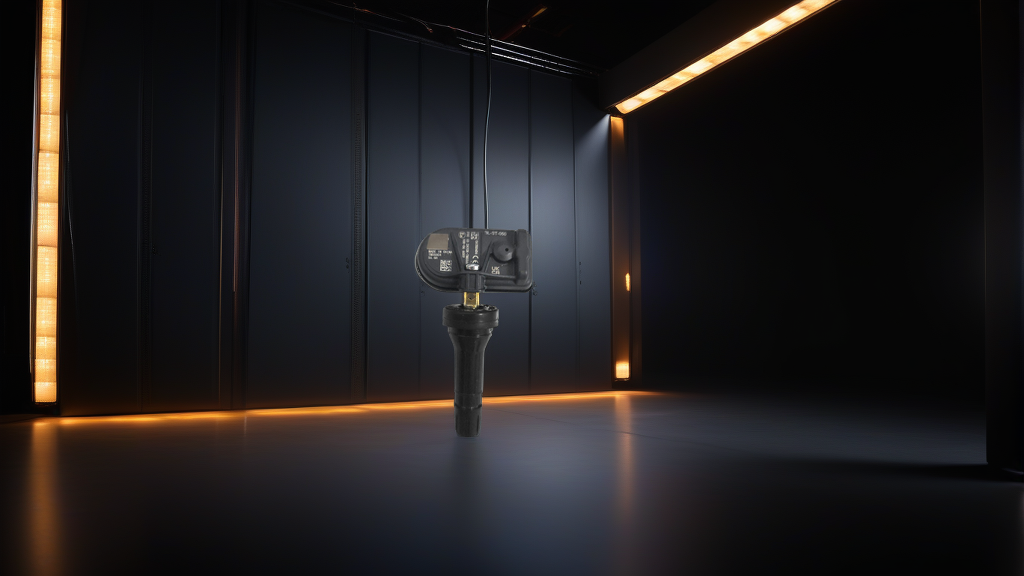
Clamp-in sensors, like the BL-ST-050 | BH-Sens 433MHz TPMS Tire Pressure Sensor | Fits Geelygalaxy, Lynk&Co, Zeekr | OE# 6608082005, 8894215959, are the standard for most modern Dodge vehicles (2010 and newer). These sensors use a metal stem that bolts through the wheel rim, secured by a nut on the inside. The critical torque values are:
| Component | Recommended Torque Range | Notes |
|---|---|---|
| Sensor-to-rim nut | 62–71 in-lbs (7–8 Nm) | Over-tightening cracks the sensor housing; under-tightening causes air leaks |
| Valve stem core | 35–45 in-lbs (4–5 Nm) | Hand-tighten with a core tool, then apply final torque |
| Valve stem cap | Hand-tight only | Metal caps can seize; plastic caps crack if overtightened |
Important: These values apply to standard aluminum and steel wheels on Dodge models like the Durango, Grand Caravan, and Ram 1500. Always verify with the vehicle’s service manual, as some high-performance Dodge models (e.g., Charger SRT Hellcat) may have different rim material specs.
Why Torque Specs Vary by Wheel Material
Aluminum wheels used on most Dodge vehicles are softer than steel. If you use a torque wrench set to 80 in-lbs on an aluminum rim, you risk:
- Stripping the threads on the sensor nut
- Creating a permanent dent in the wheel barrel near the valve hole
- Cracking the sensor’s plastic body (common with aftermarket sensors)
Steel wheels on older Dodge trucks (pre-2010 Ram models) can handle slightly higher torque, but sticking to the 62–71 in-lbs range is safer for universal fit.
Valve Stem Service: The Often Overlooked Step
Many DIY installers focus on the sensor itself but neglect the valve stem assembly. Here’s what you need to know for Dodge vehicles:
1. Always Replace the Valve Stem Core
The core is a small brass or nickel-plated component that seals the air inside the tire. It costs less than $2 but is responsible for 90% of slow leaks after TPMS service. On Dodge models, the core is standard Schrader-type (5mm hex), but some newer Ram trucks use a longer core for deeper valve stems. Replace it every time you install a new sensor.
2. Use the Correct Valve Stem Seal
Clamp-in sensors come with a rubber grommet or O-ring that seals between the sensor body and the wheel. This seal must be:
- New (never reuse old seals)
- Lubricated with a silicone-based grease (never petroleum-based, which degrades rubber)
- Positioned correctly—the flat side faces the wheel, the tapered side faces the nut
Dodge wheels have varying valve hole diameters (11.5mm is standard, but some aftermarket wheels use 12.5mm). If the seal doesn’t fit snugly, air leaks are guaranteed.
3. Valve Stem Caps: More Than Decoration
Dodge vehicles often come with chrome or metal valve stem caps from the factory. These can seize onto the stem due to galvanic corrosion (especially in winter salt conditions). Always use plastic caps on aftermarket TPMS sensors—or at least apply anti-seize compound to the metal cap threads. A stuck cap can shear the valve stem when you try to remove it, requiring a full sensor replacement.
Common TPMS Installation Mistakes on Dodge Vehicles
After years of servicing Dodge models, here are the top three errors I see:
Mistake #1: Over-tightening the Sensor Nut
This is the #1 killer of clamp-in TPMS sensors. The plastic housing around the sensor stem is not designed for 100+ in-lbs of force. When you overtighten:
- The sensor body cracks (often invisible to the naked eye)
- Air leaks develop within weeks
- The sensor fails intermittently, triggering a false low-pressure warning
Solution: Use a torque wrench set to 65 in-lbs. If you don’t have one, use a 1/4-inch ratchet and tighten until the nut is snug plus a quarter turn. Nothing more.
Mistake #2: Forgetting to Program the Sensor to the Dodge
The BL-ST-050 | BH-Sens 433MHz TPMS Tire Pressure Sensor | Fits Geelygalaxy, Lynk&Co, Zeekr | OE# 6608082005, 8894215959 is pre-programmed with OE-compatible IDs, but it still needs to be “learned” by the Dodge TPMS module. Many DIYers install the sensor, inflate the tire, and expect the light to go out immediately. It won’t.
For Dodge vehicles, the learning procedure typically involves:
- A TPMS relearn tool (you can buy one for $30–50)
- Or driving above 15 mph for 10–15 minutes (some models self-learn)
- Or using the vehicle’s menu system (2018+ Ram trucks have a TPMS relearn option in settings)
If you skip this step, the sensor works but the warning light stays on. Double-check your model year’s procedure.
Mistake #3: Cross-threading the Valve Stem Core
When reinstalling the valve stem core, it’s easy to get it started crooked. Cross-threaded cores:
- Don’t seal properly (you’ll hear a hiss)
- Can damage the internal threads of the sensor stem
- Require a new sensor to fix (thread repair is rarely successful)
Solution: Start the core by hand, turning counterclockwise until you feel it drop into the threads, then turn clockwise. Use a core tool with a magnetic tip to prevent dropping the core inside the tire.
Recommended Part for Dodge TPMS Replacement
For a reliable, pre-programmed replacement on compatible Dodge models, the BL-ST-050 | BH-Sens 433MHz TPMS Tire Pressure Sensor | Fits Geelygalaxy, Lynk&Co, Zeekr | OE# 6608082005, 8894215959 offers a clamp-in design with 433MHz frequency that matches many Chrysler/Dodge applications. It’s sourced from BH-Sens (Baolong Technology), a known OE supplier, and comes ready to install without additional programming if your vehicle supports auto-learning. Always verify compatibility with your specific Dodge model and year before purchase.
FAQ
Can I use a clamp-in TPMS sensor on aftermarket Dodge wheels?
Yes, but only if the aftermarket wheel has a proper valve stem hole (standard 11.5mm diameter) and the wheel barrel has enough clearance for the sensor body. Some deep-dish or custom wheels require a metal-band or rubber-stem sensor instead. Measure clearance before buying.
How often should I replace the rubber seal on my Dodge TPMS sensor?
Replace the rubber grommet or O-ring every time you remove the sensor from the wheel. If you’re reinstalling a used sensor (e.g., when swapping tires between sets), always install a new seal. Seals degrade from heat, ozone, and tire sealants, and a $1 seal is cheaper than a tow.
Does the BL-ST-050 | BH-Sens 433MHz TPMS Tire Pressure Sensor | Fits Geelygalaxy, Lynk&Co, Zeekr | OE# 6608082005, 8894215959 work with my 2015 Dodge Charger?
The BL-ST-050 operates at 433MHz, which is the standard frequency for most 2010+ Dodge vehicles, including the Charger. However, compatibility depends on the TPMS module in your specific trim. Check your OE part number (look on the sensor currently installed) or consult the fitment guide on the product page. For 2015 Chargers, it should work, but always confirm.
What is the most common cause of TPMS sensor failure on Dodge trucks?
For Dodge Ram trucks, corrosion is the #1 killer. The clamp-in sensor’s metal stem corrodes where it contacts the aluminum wheel (galvanic corrosion). This causes leaks and eventually sensor failure. Applying anti-seize compound to the stem threads (not the seal area) during installation extends sensor life significantly.