
Hongqi TPMS Sensor Installation: Torque Specs, Valve Stem Tips & Common Mistakes to Avoid
Quick AnswerWhen installing a TPMS sensor on a Hongqi vehicle, always torque the clamp-in sensor nut to 4–6 Nm (35–53 in-lbs) to prevent damage or…

Quick AnswerWhen installing a TPMS sensor on a Hongqi vehicle, always torque the clamp-in sensor nut to 4–6 Nm (35–53 in-lbs) to prevent damage or…
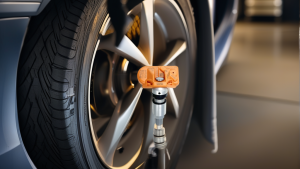
Quick AnswerProper TPMS installation on Icar vehicles requires clamping the sensor nut to 4.0–6.0 Nm (35–53 in-lbs) using a dedicated torque tool—never an impact gun.…
Quick AnswerWhen installing a replacement TPMS sensor on a Roewe vehicle, always torque the sensor retaining nut to 4-6 Nm (35-53 in-lbs) and the valve…
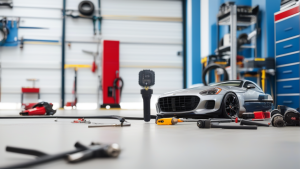
Quick AnswerInstalling TPMS sensors on a Peugeot RCZ requires a specific torque of 6–8 Nm (4.4–5.9 lb-ft) for the clamp-in nut, never use impact tools,…
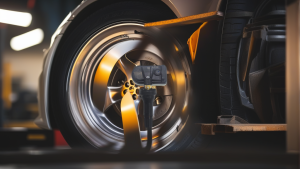
Quick AnswerInstalling a BH-Sens 433MHz TPMS sensor on a SEAL DM-I requires a torque spec of 35–40 in-lbs (4–5 Nm) for the clamp-in nut, using…

Quick AnswerInstalling a TPMS sensor on a C-ELYSEE requires precise torque (usually 35-40 Nm for the sensor-to-valve nut and 4-6 Nm for the valve core),…
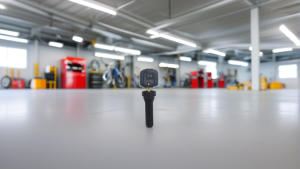
Quick AnswerWhen installing a Citroen TPMS sensor like the BL-ST-079 (433MHz), use a torque wrench set to 35–45 Nm (26–33 lb-ft) for the clamp-in nut—never…
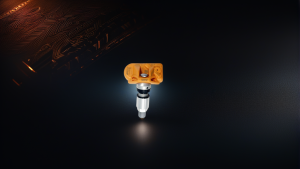
Quick AnswerInstalling a TPMS sensor on a Hummer (H2, H3, or earlier models) requires precise torque between 31-40 Nm for the sensor-to-valve stem nut and…
Quick AnswerWhen installing a BH-Sens 433MHz TPMS sensor (BL-ST-048) on an ENVISION S, use a clamp-in sensor with a torque spec of 35–45 in-lbs (4–5…
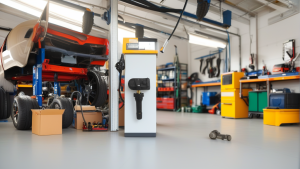
Quick AnswerInstalling a TPMS sensor on your Haval requires precise torque (typically 30-40 in-lbs for clamp-in sensors), proper valve stem service with new gaskets, and…