
Mazda TPMS Relearn: Auto, OBD and Stationary Programming Steps
Quick AnswerAfter replacing a TPMS sensor or rotating tires, a Mazda needs its sensor IDs registered with the vehicle’s TPMS module — either by driving…

Quick AnswerAfter replacing a TPMS sensor or rotating tires, a Mazda needs its sensor IDs registered with the vehicle’s TPMS module — either by driving…
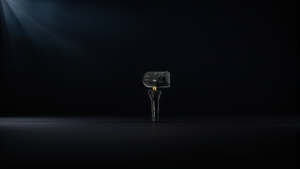
Quick AnswerOn a QASHQAI, a TPMS light that comes on steady usually means low pressure or a cold-weather pressure drop — check and inflate all…
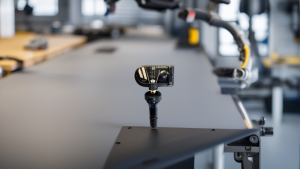
Quick AnswerAfter you fit a new direct-TPMS sensor on a Neta model, the sensor’s unique ID has to be written into the vehicle’s TPMS ECU…

Quick AnswerAfter replacing or rotating TPMS sensors on the DBS, you must perform a relearn so the module recognizes each wheel position. The DBS supports…
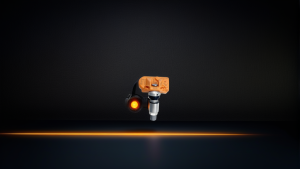
Quick AnswerInstalling a TPMS sensor on a Mini is straightforward, but the details matter. Tighten the sensor retaining nut to the wheel-specific torque range (usually…
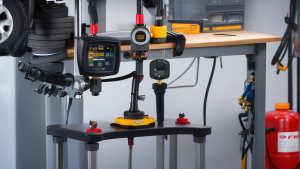
Quick AnswerFor most DTS vehicles with direct TPMS, you can relearn new or rotated wheels by using one of three methods: automatic relearn (drive cycle),…

Quick AnswerFor EQG vehicles, TPMS sensor installation relies on correct torque, fresh seals, and careful valve stem handling. Use a calibrated torque wrench at the…

Quick AnswerThe BH-Sens BL-ST-040 is a pre-programmed 433MHz clamp-in TPMS sensor that replaces Hongqi factory sensors with OE numbers 3602100FD, 3602100FDA, 3778080DB01A, 3778080DDS1, or 3778080E16.…
Quick AnswerCheck the frequency stamped on your original sensor (usually 433MHz on Amarok), confirm it’s a clamp-in fitment, and choose between pre-programmed or programmable depending…

Quick AnswerThe BH-Sens BL-ST-039 is a pre-programmed 433MHz clamp-in TPMS sensor that replaces OE numbers E300019160, E300020260, and H56A7920001AC, covering Aeolus, Eπ, Mhero, Nammi, and…